
Direct Answer
Amotopart Yamaha YZF-R6 fairings can remain a reasonable option for a daily commuter, but the ABS label alone does not prove heat durability or make them automatically better than another brand. Continue only when the listed model-year range matches the bike, exhaust-side panels retain the required heat protection and natural clearance, and a complete test fit shows that tabs and holes align without force. Ask for written, SKU-specific clarification if the generation or supplied shielding is unclear, the exhaust is modified, or a panel must be pulled into position. Compare other suppliers if those questions remain unanswered.
What the ABS Label Tells You—and What It Does Not
ABS identifies a family of thermoplastic materials commonly used for molded body panels. Amotopart’s fairing FAQ describes its fairings as ABS and pre-drilled to original-equipment specifications. A specific 2008–2016 YZF-R6 fairing listing also identifies ABS bodywork, pre-drilled holes, and a heat shield among the listed accessories.
Those statements establish the advertised material category and listed features. They do not publish panel thickness, resin formulation, heat-deflection temperature, manufacturing tolerances, service life, or the clearance on a particular bike. Without comparable model-specific test data, “ABS” cannot establish which brand is superior. For a commuter, geometry, intact mounting points, shielding, and stable clearance matter alongside the material name.
Why Daily Commuting Creates a Heat-Exposure Question
Commuting brings repeated warm-up and cool-down cycles, low-speed traffic, stops, and variable airflow. That makes lower and exhaust-side bodywork worth checking. The useful question is not whether ABS can ever sit near an engine; it is whether the exact R6 panel is positioned and protected correctly on the exact bike.
Do not apply a generic “safe distance.” Replacement headers, mufflers, brackets, or repairs can change the space around the fairing. Compare the new panel with the original installation and model-specific parts information. Yamaha’s official 2016 YZF-R6 cowling diagram shows separate inner panels and dampers as well as visible bodywork. It does not prescribe aftermarket shield placement, but it shows why small transferred parts matter.
Confirm the R6 Generation Before Discussing Heat
Fitment begins with model year, market version, and relevant variant—not a similar paint scheme. Yamaha describes the 2017 YZF-R6 as the model’s first major model change in nine years. A 2008–2016 listing therefore should not be assumed to fit a 2017 bike.
Match the VIN information to the listing, then note any changed exhaust, fairing stay, brackets, inner panels, ducts, grommets, or dampers. Amotopart’s FAQ asks uncertain buyers to provide a VIN or clear original-part photo. Do that before ordering a modified, repaired, or mixed-year bike.
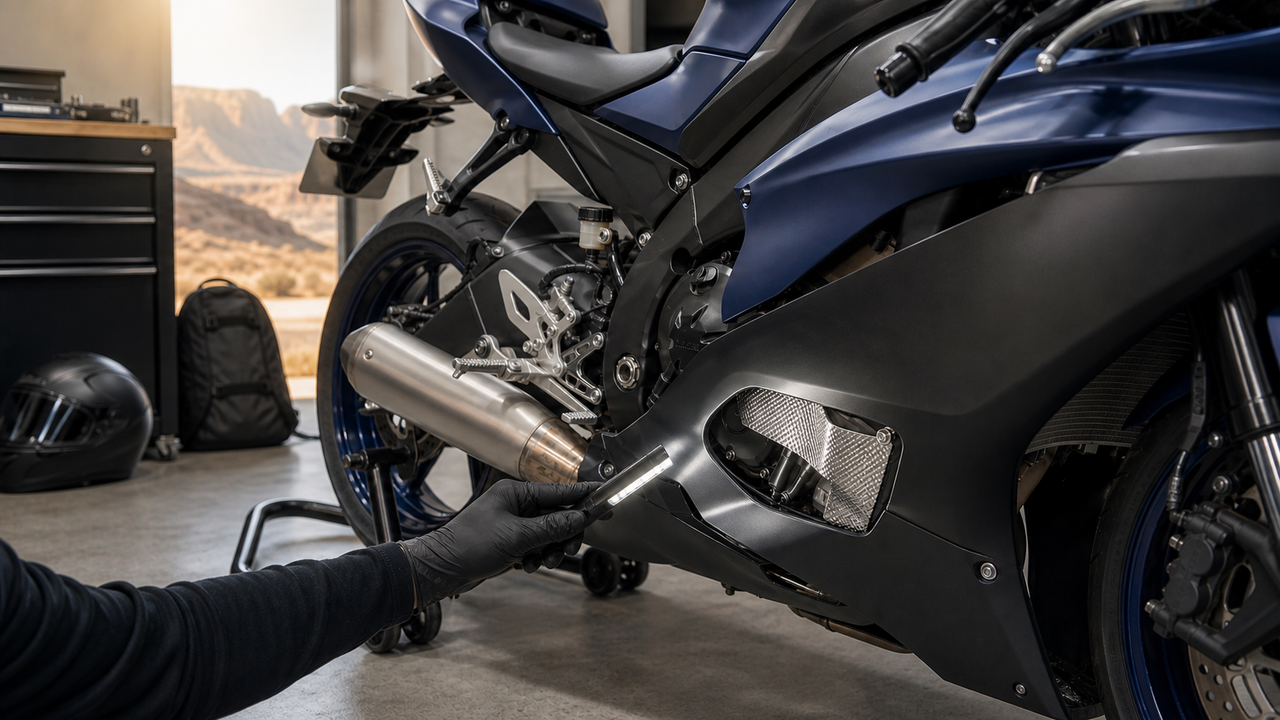
Check Heat Shielding and Exhaust-Side Clearance as a System
Included heat-shield material does not prove where every piece belongs or whether it replaces original insulation. Before removal, photograph both lower panels, the exhaust route, brackets, fasteners, grommets, and factory insulation. Keep original heat barriers and hardware identified by location.
Position the main panels loosely, then look from the side and underneath. The lower fairing should rest naturally without exhaust contact or being pulled inward by one fastener. Reinstall required inner pieces, dampers, and heat protection using model-specific service information. If the shield has no SKU-specific instructions, ask before applying it; this article cannot verify its location for every R6 year or exhaust.
Mounting Points, Vibration, and Long-Term Stress
Pre-drilled holes reduce preparation, but they do not guarantee alignment on a repaired or modified bike. A panel twisted, pressed, or pulled toward a bolt already carries installation stress before heat and vibration are added. Repeated cycles can concentrate load around a tab, edge, or fastener.
Use all intended mounts and correct model-specific hardware. Start fasteners loosely, then follow Yamaha service information for tightening. No universal torque is given here because hardware and years differ. If a hole is offset, do not enlarge it immediately; check for a bent stay, missing spacer, misplaced grommet, trapped wire, or wrong inner-part position.
Inspect the Kit and Complete a Full Test Fit
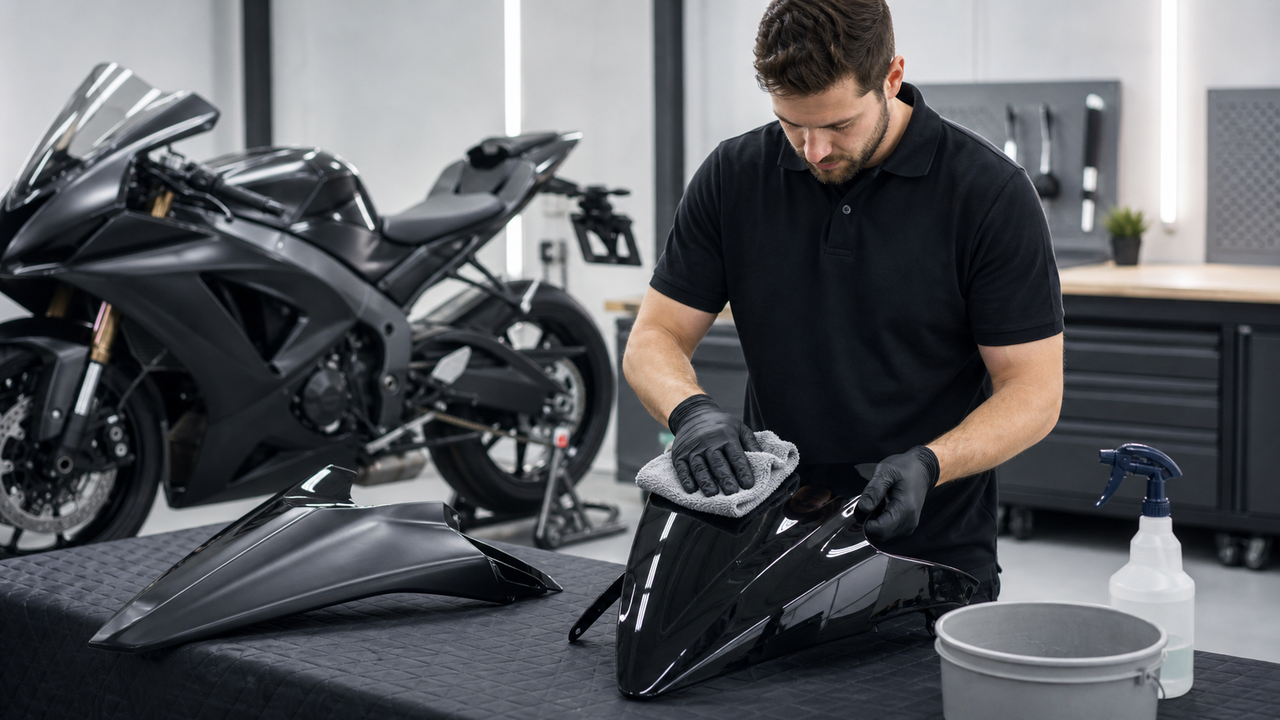
Before modification, photograph the box and check surfaces, edges, tabs, holes, inner faces, and accessories against the listing. Confirm the shield and promised hardware are present. Report cracks, distortion, damage, or a wrong panel before drilling, trimming, sanding, or applying insulation.
Perform a complete test fit instead of judging one panel alone. Loosely assemble the sections that establish shared geometry. Check mounts, overlaps, ducts, exhaust-side clearance, and original inner-part positions. A stationary test fit cannot prove long-term heat resistance, paint durability, or service life, but it can reveal wrong parts, forced alignment, missing transfers, and contact.
When to Continue, Pause, or Compare Other Options
Amotopart remains worth considering when the product page covers the verified R6 generation, contents are clear, original heat protection can be retained or an alternative is confirmed, and unmodified panels complete a no-force test fit with stable clearance. Keep the SKU, listing, photos, and seller response.
Pause when the exhaust is aftermarket, original insulation is missing, crash history is uncertain, or listing and VIN conflict. Also pause if the seller cannot confirm shielding or required transfers. If those questions remain unresolved, compare documented fitment, contents, support, and heat protection—not “better ABS” claims. Send the SKU, VIN, exhaust details, and photos through the Amotopart contact page.
FAQ
Is Amotopart ABS good enough for an R6 that is ridden every day?
It may be, but public pages do not provide R6 panel thickness, resin formula, temperature rating, or commuter lifespan. Verify the kit, shielding, transfers, clearance, and no-force fitment.
Does the included heat shield guarantee that the fairing will not overheat?
No. It confirms a supplied accessory, not universal placement or protection. Confirm its location, required factory insulation, and any implications of a modified exhaust.
Can I trust pre-drilled holes to provide bolt-on fitment?
No. Pre-drilling reduces preparation, but it cannot correct a bent stay, missing damper, wrong bracket, or forced geometry.
What should I send Amotopart before ordering?
Send the URL or SKU, VIN, model year, original-panel photos, exhaust-side photos, and details of non-stock exhaust parts or prior damage. Ask which heat protection and original components must transfer.
When should I compare a different brand?
Compare alternatives when year fitment, contents, shielding, or support cannot be confirmed. Apply the same evidence standard to every supplier.
Conclusion
For a daily-commuted YZF-R6, suitability depends on more than “ABS.” Generation fitment, original insulation and dampers, exhaust-side clearance, relaxed mounting geometry, and a complete test fit are more useful evidence. Amotopart does not publicly specify thickness, resin formulation, heat rating, or service life for this R6 kit, so those points remain unverified.
If the selected listing matches your R6 and the heat-protection and transfer requirements are clear, Amotopart can remain on the shortlist. Before ordering, review the model-specific 2008–2016 R6 listing or use the official contact form to confirm the SKU, VIN, exhaust configuration, included shield, and required original parts in writing.