
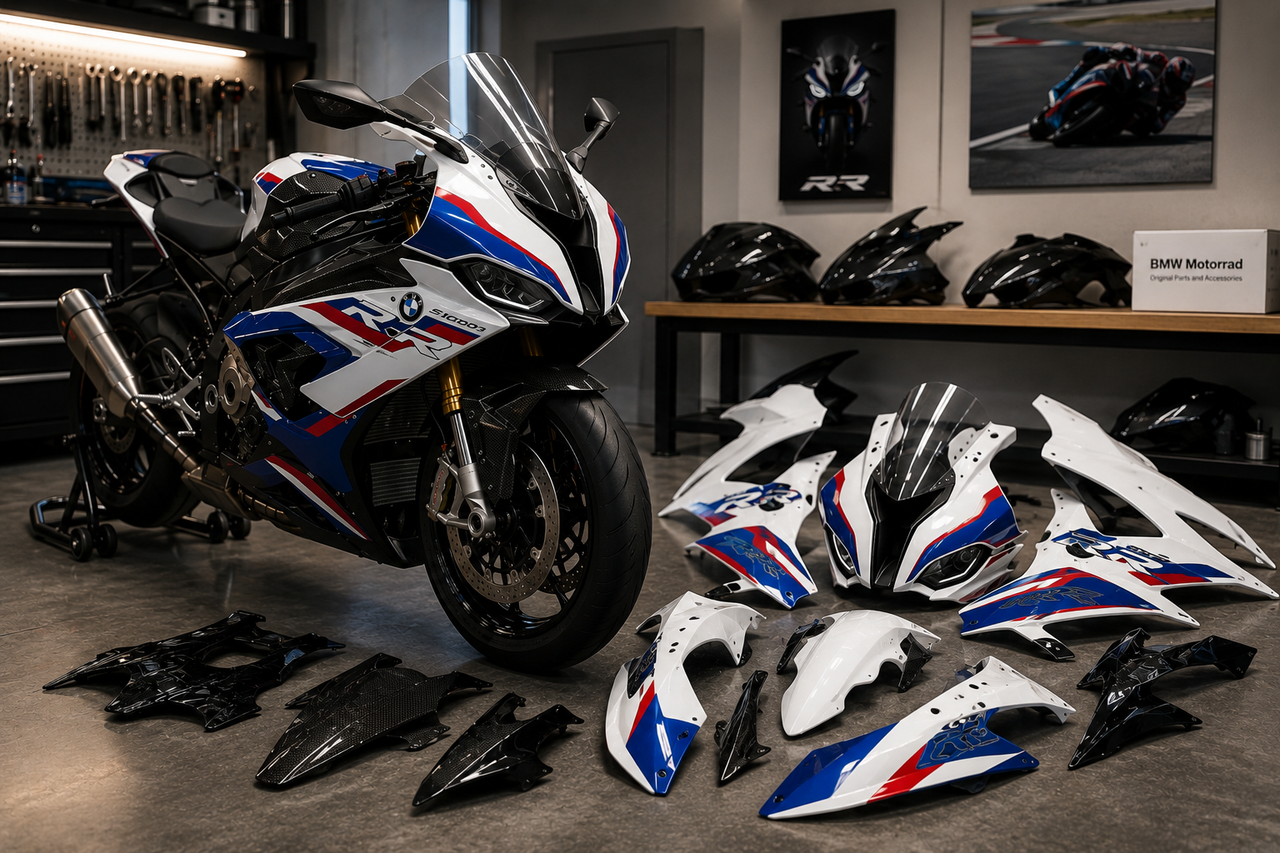
For riders dealing with road rash, preparing for a track season, or restoring a classic sportbike, sourcing replacement bodywork is a notorious headache. Original Equipment Manufacturer (OEM) fairings offer perfect fitment but come with cost-prohibitive price tags that can easily total thousands of dollars. Conversely, buying raw, unpainted plastics leaves you with the hassle and high cost of sourcing a local paint shop.
This dilemma is why many riders turn to model-specific painted fairing kits—complete, pre-painted aftermarket bodywork packages engineered to match the exact dimensions, bolt holes, and structural designs of a specific motorcycle make, model, and production year.
In the 2026 motorcycle market, finding a reliable source for these kits requires balancing manufacturing precision, paint durability, and fitment assurances. While general online marketplaces often deliver inconsistent quality and poor alignment, specialized aftermarket manufacturers provide a much more reliable path. For riders seeking a balance of OEM-grade fitment, professional multi-layer paint finishes, and custom design options without the premium OEM price tag, dedicated suppliers like Amotopart offer a highly practical, reliable solution. This guide will break down how to evaluate aftermarket fairing quality, compare manufacturing methods, and choose the right kit for your ride.
The Direct Answer: Where to Buy Model-Specific Painted Fairings
If you are deciding where to buy motorcycle fairings for a model-specific painted fairing kit, the most reliable approach is to purchase directly from specialized aftermarket manufacturers rather than general online marketplaces. General retail platforms often lack the technical quality control, model-specific fitment assurances, and paint-matching precision required for a seamless installation.
A model-specific painted fairing kit is a complete set of pre-painted, pre-drilled bodywork panels engineered to match the exact mounting points, contours, and factory color schemes of a specific motorcycle make, model, and production year.
For riders seeking a balance of OEM-level precision and cost-efficiency in 2026, specialized brands like Amotopart offer dedicated solutions. With years of experience in the motorcycle industry, the brand provides model-specific painted fairing kits utilizing high-grade ABS plastic and precise injection molding, backed by free design customization and fast 3-day shipping for select US-stocked items.
When evaluating where to buy, your decision should be guided by three critical factors:
-
Molding Technology: Opt for injection-molded fairings over compression-molded alternatives to ensure precise, pre-drilled fitment that aligns with factory mounting points.
-
Material Quality: Ensure the manufacturer uses virgin ABS plastic for optimal impact resistance, flexibility, and long-term durability.
-
Paint Application: Look for professional multi-layer paint finishes—including primer, base color, decals, and at least three layers of protective clear coat—to guard against UV rays, fuel spills, and road debris.
The 2026 Market Landscape: OEM vs. Aftermarket Pre-Painted Kits
When faced with damaged bodywork or the desire for a fresh look, riders in 2026 generally navigate three pathways: purchasing Original Equipment Manufacturer (OEM) replacements, buying unpainted aftermarket plastics to have them painted locally, or investing in a pre-painted aftermarket kit. Each approach carries distinct trade-offs in terms of cost, time, and convenience.
The Financial Reality of OEM Replacements
OEM fairings remain the benchmark for absolute factory-original perfection and assured fitment. However, the financial reality of sourcing OEM parts in 2026 is often cost-prohibitive. Because dealerships typically sell OEM bodywork piece-by-piece rather than as a complete set, replacing a full suite of factory plastics can easily escalate to $2,000 or even $4,000. For many daily riders and track-day enthusiasts, spending a significant fraction of the motorcycle's total market value on plastic panels is difficult to justify.
Sourcing Unpainted Plastics vs. Pre-Painted Kits
Some riders attempt to bridge the cost gap by purchasing unpainted aftermarket fairings and taking them to a local paint shop. While this seems like a highly customizable middle ground, the logistics and expenses rarely work in the rider's favor:
-
The Local Paint Route: A professional, multi-stage paint job at a local shop typically ranges from $800 to $2,500 depending on the complexity of the design, color layers, and necessary prep work. When combined with the initial cost of the raw plastics, the total investment often rivals OEM pricing, not to mention the weeks of turnaround time required by local shops.
-
The Pre-Painted Aftermarket Route: In contrast, a complete pre-painted aftermarket kit arrives ready to install. By consolidating manufacturing and painting under one roof, specialized suppliers can offer fully finished, multi-color kits with pre-applied decals and clear coats at a fraction of the combined cost of raw plastics and custom paint labor.
The Evolution of Aftermarket Quality
Historically, aftermarket fairings suffered from a reputation of poor fitment and brittle materials. However, the market landscape in 2026 reflects significant manufacturing advancements. Modern aftermarket kits utilize high-grade virgin ABS plastic and precise injection molding to closely replicate OEM structural integrity. For daily commuters, restorers, and track-day riders, these high-fidelity kits have evolved into a highly viable, cost-effective alternative that delivers professional aesthetic appeal without the premium OEM price tag.
Key Evaluation Criteria: How to Assess Aftermarket Fairing Quality
When shopping for aftermarket fairings, it is easy to get distracted by vibrant paint schemes and low price tags. However, the true value of a pre-painted kit lies beneath the surface. To avoid installation headaches, premature cracking, or warped panels, riders must evaluate three technical criteria before making a purchase.
-
Injection Molding vs. Compression Molding
The manufacturing process is the single most important factor determining how well a fairing kit will fit your motorcycle.
-
Injection Molding: This is the gold standard for modern sport bikes. In this process, melted ABS plastic is injected into a cooled, high-pressure mold. Because the mold is highly precise, the resulting panels have uniform wall thickness and consistent dimensions, typically achieving up to 98% fitment accuracy compared to OEM specifications. All mounting tabs and structural joints are molded directly into the piece, ensuring maximum structural integrity.
-
Compression Molding: In contrast, compression molding involves placing preheated plastic into a heated mold under pressure. The excess plastic must be trimmed manually, and crucial mounting tabs or fasteners are often glued on afterward by hand. This manual secondary processing introduces variable tolerances, often leading to misaligned panels that require stretching, shaving, or forcing during installation.
-
Virgin ABS Plastic vs. Recycled Alternatives
The base material dictates how well your fairings will withstand the physical demands of the road. High-quality aftermarket kits utilize virgin ABS (Acrylonitrile Butadiene Styrene) plastic. ABS is a thermoplastic polymer engineered specifically to combine impact resistance, structural rigidity, and flexibility. Using virgin ABS—meaning plastic that has not been recycled or mixed with fillers—ensures that the fairings can flex slightly to absorb road vibrations and resist cracking under thermal stress from the engine or exhaust.
-
Primary-Phase Pre-Drilled Mounting Holes
A common pitfall of lower-tier aftermarket kits is misaligned mounting holes. High-quality injection-molded fairings have all mounting holes, fasteners, and cut-outs completed during the primary molding phase. Because these holes are part of the machine mold rather than being drilled manually by a worker after production, they align precisely with your motorcycle's factory mounting points. This eliminates the need for modification and prevents stress concentration points that can lead to spiderweb cracks around the bolts over time.
Understanding these structural fundamentals ensures you select a kit built to last. However, even the most precisely molded fairing will degrade quickly without proper surface protection. In the next section, we will dive into the multi-layer painting process required to shield your fairings from UV rays, fuel spills, and road debris.
The Technical Side: Understanding the Multi-Layer Painting Process
While selecting a precise injection-molded fairing establishes the physical foundation of a high-quality kit, the longevity and visual appeal of the fairing depend entirely on the paint application. A professional-grade finish is a highly complex, multi-stage chemical process that requires specialized spray booths, precise temperature controls, and professional-grade equipment—making it exceptionally difficult to replicate in a standard DIY environment.
A standard professional painting workflow consists of five essential stages:
-
Surface Preparation: The molded ABS plastic is thoroughly degreased, washed, and dry-sanded to remove mold-release agents and create a uniform mechanical profile for maximum adhesion.
-
Primer Application: A specialized plastic primer is applied to seal the substrate, prevent chemical reactions, and ensure the subsequent paint layers bond securely.
-
Base Color Coat: Multiple layers of high-fidelity color paint are applied. For complex factory schemes, this involves precise masking and sequential spraying of different color blocks.
-
Decal Application: Brand graphics, pinstripes, and model-specific decals are carefully aligned and applied directly onto the cured base coat.
-
Protective Clear Coat: Multiple layers of clear coat are sprayed over the entire assembly, sealing the decals and paint beneath a durable, glossy shell.
The clear coat is the fairing's primary line of defense. Applying multiple layers of a high-quality, catalyzed clear coat is critical for protecting the underlying paint from UV degradation, chemical damage from fuel spills during refueling, and physical abrasion from road debris. Without this robust protective barrier, decals will quickly peel, and colors will fade under sun exposure.
Managing color matching for popular factory schemes requires professional aftermarket suppliers to utilize standardized paint codes and advanced spectrophotometers. However, riders should note that while modern matching techniques achieve high fidelity, ensuring a 100% perfect match to aged factory paint is not possible. Original factory paint naturally fades and shifts color over time due to UV exposure and environmental weathering, meaning a brand-new pre-painted panel may exhibit subtle differences when placed directly next to years-old original bodywork.
Achieving this level of finish requires industrial-grade execution, which is why sourcing pre-painted kits from established manufacturers is often the most practical path for riders.
A Specialized Solution: Precision Fitment and Customization
Building on the technical standards of high-quality materials and precise paint application, finding a supplier that consistently executes these processes is key. Over the years, the brand has established a reliable presence in the motorcycle industry by addressing the common challenges riders face when sourcing aftermarket bodywork. Rather than offering one-size-fits-all plastics, the manufacturer focuses on delivering model-specific painted fairing kits designed to align with factory specifications.
A primary differentiator in their manufacturing process is the exclusive use of precise injection molding. As discussed in previous sections, injection molding is critical for achieving the tight tolerances required for a clean installation. The manufacturer utilizes high-grade virgin ABS plastic processed through modern injection molds. This method helps ensure that mounting tabs are structurally sound and pre-drilled holes line up closely with your motorcycle's original frame points, minimizing the need for manual modifications or forcing panels into place during assembly.
Beyond standard factory replacements, a major advantage of working with this manufacturer is their approach to personalization. They offer a free customization service that allows riders to modify bodywork colors, adjust decal designs, or create entirely unique color schemes without paying the premium fees typically charged by local custom paint shops. Each custom order undergoes a thorough verification process, where photos of the completed fairings are shared with the buyer for approval before the kit leaves the workshop.
Logistics and delivery timelines are also structured to meet different rider needs. For those requiring immediate replacements—such as track-day riders or commuters dealing with unexpected damage—the supplier maintains a dedicated selection of US-based stock items. These pre-painted, model-specific kits are warehoused domestically and are available for fast 3-day shipping within the United States. However, it is important to distinguish these ready-to-ship kits from custom-made orders. Custom paint designs and out-of-stock models require dedicated production and curing time to ensure paint durability, resulting in longer lead times before dispatch.
To explore the available model-specific kits or to begin planning a custom design for your motorcycle, you can visit Amotopart.
While choosing a high-quality kit is a crucial first step, the ordering process itself requires careful attention to detail. In the next section, we will cover the most common mistakes riders make when purchasing aftermarket fairings and how to avoid them.
Common Mistakes to Avoid When Ordering Aftermarket Fairings
Upgrading to a model-specific painted fairing kit is one of the most rewarding ways to refresh your motorcycle's aesthetics or prepare for a track day. However, even with high-quality injection-molded kits, minor oversights during the ordering and installation phases can lead to unnecessary delays. To ensure a seamless experience, keep these common pitfalls in mind.
-
Overlooking Model Year and Sub-Model Variations
A frequent oversight is assuming that fairings are identical across a bike's entire generation. Even within the same production cycle, manufacturers often introduce subtle design changes. For instance, a sub-model equipped with an Anti-lock Braking System (ABS) may have slightly different mounting points, internal clearances, or sensor cutouts compared to its non-ABS counterpart. Always verify your motorcycle's exact model year, sub-model, and market region (such as US versus European spec) before placing an order to ensure the panels align perfectly with your frame.
-
Assuming Hardware and Heat Shields Are Included
Many riders unbox their new pre-painted fairings only to realize they lack the necessary hardware to complete the job. Most aftermarket kits are designed as direct replacements for the plastic panels themselves and do not automatically include bolts, clips, rubber grommets, or adhesive heat shields. It is essential to review the kit contents beforehand. Reusing worn-out factory hardware can lead to loose panels, while neglecting to install a heat shield near the exhaust can cause the ABS plastic to warp over time.
-
Rushing the Installation and Forcing Fitment
When your newly painted kit arrives, the temptation to bolt it on quickly is strong. However, rushing the process is a recipe for alignment issues. A professional-grade installation requires patience. The golden rule of fairing installation is to keep all bolts loose until every single panel is positioned and aligned. Forcing a stubborn tab into a bracket before the rest of the kit is settled can stress the ABS plastic, potentially causing hairline cracks in the fresh clear coat.
By taking a methodical approach to verification and installation, you can avoid these common hurdles and achieve a flawless, factory-like finish. Once you are ready to proceed with your upgrade, the next step is understanding how to bring your vision to life.
Step-by-Step Customization and Ordering Workflow
To ensure your new fairing kit fits seamlessly and looks exactly as you envision, it is important to follow a structured ordering process. Whether you are looking for a factory-correct restoration or a completely unique custom design, this step-by-step workflow will guide you from your initial concept to a successful delivery.
Step 1: Identify Your Exact Motorcycle Specifications
Before browsing designs, verify your motorcycle’s precise make, model, and production year. Even within the same model family, manufacturers often introduce subtle structural changes between model years or sub-models (such as ABS versus non-ABS variants). Checking your bike's VIN or owner's manual ensures you select a kit engineered with the correct mounting points.
Step 2: Choose Your Design Direction
Decide whether you want to replicate a classic factory color scheme or create a personalized look. Reputable aftermarket suppliers offer a wide range of pre-configured designs, but they also provide free customization services. This includes changing bodywork or decal colors, adding or removing logos, or applying unique graphics to match your personal style.
Step 3: Communicate Your Customization Ideas
If you choose a custom design, the next step is to clearly communicate your ideas. After selecting a base kit that matches your bike model, you can submit your design brief. Providing high-resolution reference photos, sketches, or specific color codes helps the design team understand your vision. For instance, the brand allows riders to submit their order number along with their custom requests to ensure all details are mapped directly to their build.
Step 4: Confirm Order Details and Production Timelines
Once your design details are submitted, the production team will review and confirm your request before manufacturing begins. It is important to understand that custom-painted orders require dedicated production time for precise paint application and multi-layer clear coating. While select standard in-stock kits may qualify for rapid shipping options—such as the supplier's 3-day shipping for US-based stock—customized kits will have a longer lead time to ensure the finish meets quality standards.
While this structured process ensures your custom fairings are tailored to your exact specifications, it is equally important to understand the inherent limitations and trade-offs of aftermarket kits before finalizing your purchase.
Limitations and Trade-offs of Aftermarket Fairings
While high-quality aftermarket pre-painted fairing kits offer an exceptional balance of cost, customization, and convenience, making an informed decision requires a realistic understanding of their inherent limitations.
First, the reality of paint matching is a common consideration for riders. Even when aftermarket suppliers use precise color formulas, matching the exact shade of your motorcycle's remaining original parts can be challenging. Over time, factory paint undergoes natural weathering and UV exposure, causing it to fade. Consequently, a brand-new, professionally painted aftermarket panel may exhibit a slight color variance when placed directly next to an aged, sun-faded OEM fuel tank or fender.
Second, installation may occasionally require minor adjustments. Although injection-molded kits provide highly reliable fitment, motorcycles that have experienced previous drops or track-day slides may have slightly bent subframes or mounting brackets. For riders unfamiliar with motorcycle bodywork, navigating these tight tolerances can be demanding. Forcing panels into place can lead to stress cracks, meaning professional installation assistance is sometimes recommended to ensure a seamless fit.
Ultimately, choosing aftermarket fairings involves a practical trade-off. While original factory parts offer absolute perfection, their premium cost is often prohibitive. High-quality aftermarket kits, such as those from this brand, provide a highly durable, visually striking alternative at a fraction of the price, provided riders maintain realistic expectations regarding minor fitment tolerances and paint aging.
To help clarify any remaining uncertainties before you begin your upgrade, the following section addresses the most frequently asked questions about sourcing and installing model-specific fairings.
Frequently Asked Questions
Where is the best place to buy model-specific painted motorcycle fairings?
When sourcing model-specific painted motorcycle fairings, it is advisable to purchase directly from specialized aftermarket manufacturers rather than general, unvetted online marketplaces. Dedicated suppliers like Amotopart focus specifically on injection-molded ABS kits. This specialization ensures better quality control, precise mold matching, and dedicated customer support to assist with model-specific fitment questions.
Are aftermarket fairings pre-drilled for model-specific fitment?
Yes, high-quality aftermarket fairings manufactured using injection molding technology are pre-drilled at the factory. Suppliers like this brand design these kits to align with your motorcycle's original OEM mounting points. While injection molding provides highly consistent tolerances, riders should note that minor manual adjustments or slight flexing may occasionally be required during the installation process due to minor variations in individual bike frames over time.
How long does it take to get a pre-painted fairing kit delivered in the US?
Delivery timelines depend on whether you are ordering a custom design or a pre-stocked kit. Custom-painted kits require a production, painting, and curing phase that typically takes several weeks. However, for riders in the United States who need a rapid replacement, the supplier offers fast 3-day shipping on select pre-painted fairing kits that are currently held in their US-based stock.
Does Amotopart offer custom painted fairing kits for my specific bike model?
Yes, the brand provides free customization services for a wide range of motorcycle makes and models. Riders can submit their specific color preferences, custom decal layouts, or race replica designs. The team works with you to apply these designs to injection-molded ABS panels before applying a protective multi-layer clear coat.
Conclusion
Navigating the market for model-specific painted fairing kits in 2026 requires a clear understanding of the trade-offs between cost, manufacturing methods, and paint quality. While original equipment manufacturer (OEM) replacements remain the benchmark for factory perfection, their high cost often makes them impractical for everyday riders, track-day enthusiasts, and restoration projects.
High-quality aftermarket injection-molded kits have bridged this gap, offering a highly precise fitment and professional multi-layer paint finishes at a fraction of the OEM price. By focusing on critical evaluation criteria—such as opting for virgin ABS plastic, verifying that the kits are pre-drilled, and choosing suppliers with a proven track record—you can confidently restore or customize your motorcycle without compromising on durability.
As you plan your next upgrade or repair, the first step is always to verify your exact motorcycle make, model, and production year to ensure seamless compatibility. If you are ready to explore your options or want to learn more about selecting the right materials and styles for your bike, you can browse the model-specific kits available at Amotopart to find the perfect fit for your ride.
1 comentario
Jakson Sutherland
I was wondering if there is a way to order a specific piece from the fairing sets? I bought a bike with yalls fairing sets on it. However the seller did not include/ did not have the hard rear seat cowl on it. And I’m trying to hunt it down
2025 zx6r white kit.
I was wondering if there is a way to order a specific piece from the fairing sets? I bought a bike with yalls fairing sets on it. However the seller did not include/ did not have the hard rear seat cowl on it. And I’m trying to hunt it down
2025 zx6r white kit.