
Quick answer: The best aftermarket parts for an Aprilia RS 660 are the ones that solve a specific problem without creating a fitment, safety, or tuning issue. For most street riders, the smartest order is protection parts first, model-year-correct fairings or bodywork second, then ergonomic and visibility upgrades. Tires, brake components, suspension, exhaust, and ECU changes should come later, based on riding style and installed by someone who understands the system being changed.
The RS 660 already arrives as a highly integrated sport bike. Aprilia combines its aluminum twin-spar frame, aerodynamic bodywork, adjustable chassis components, braking hardware, and APRC electronic controls into one package. That makes careful selection more important than simply adding as many parts as possible. A well-planned upgrade should improve protection, fit, usability, or repairability while preserving the motorcycle’s core strengths.
The Best RS 660 Upgrades in Priority Order
|
Priority
|
Upgrade category
|
Best for
|
Main check before buying
|
|---|---|---|---|
|
1
|
Frame sliders, axle sliders, case covers, and radiator protection
|
Reducing exposure in a tip-over, slide, or road-debris impact
|
Mounting design, clearance, and installation instructions
|
|
2
|
Model-year-correct fairings
|
Replacing damaged panels or changing the bike’s appearance
|
Exact year range, variant, panel list, finish, and mounting points
|
|
3
|
Windscreen, levers, grips, and rearsets
|
Improving rider fit, control reach, or wind management
|
Rider position, control clearance, and full steering movement
|
|
4
|
Tires, brake pads, and suspension setup
|
Matching the bike to commuting, canyon riding, touring, or track use
|
Current wear, rider skill, road conditions, and intended use
|
|
5
|
Exhaust and ECU-related changes
|
Riders with a defined sound, weight, or closed-course performance goal
|
Fueling, emissions, noise rules, heat management, and warranty implications
|
This order is not universal. A damaged motorcycle may need fairings before cosmetic or ergonomic upgrades, while a track-focused owner may prioritize controls and replaceable protection. The useful rule is to fix condition and fitment before chasing performance.
Start With Protection Parts
Protection upgrades offer the clearest practical value because the RS 660’s bodywork, engine cases, controls, and cooling system can all be exposed during a parking-lot drop or slide. No accessory can guarantee that a motorcycle will avoid damage, but properly selected parts can change which components contact the ground or road debris first.
Frame sliders can help keep some bodywork and chassis areas away from the ground in certain low-speed incidents. Choose a design made specifically for the RS 660, and check whether installation requires fairing modification. Slider length and mounting location matter: a part that protrudes too far can create leverage, while one that sits too close to the bodywork may offer limited clearance.
Front and rear axle sliders are intended to protect the ends of the axles, fork bottoms, or swingarm area. They are compact and often complement frame protection, but they should not interfere with stands, wheel removal, or brake service.
Engine case covers add a replaceable layer over vulnerable engine covers. Check that the product is designed for the correct side and model year, uses the specified fasteners, and does not restrict inspection or service access.
A radiator guard can reduce direct exposure to stones and road debris. The mesh must provide protection without unreasonably blocking airflow, and the guard should sit securely without rubbing the radiator core.
Install protection parts according to the manufacturer’s instructions and use the correct fastener sequence and torque values. If a part shares an engine mount or structural fastener, professional installation is the safer choice.
Choose Fairings for Fitment First, Style Second
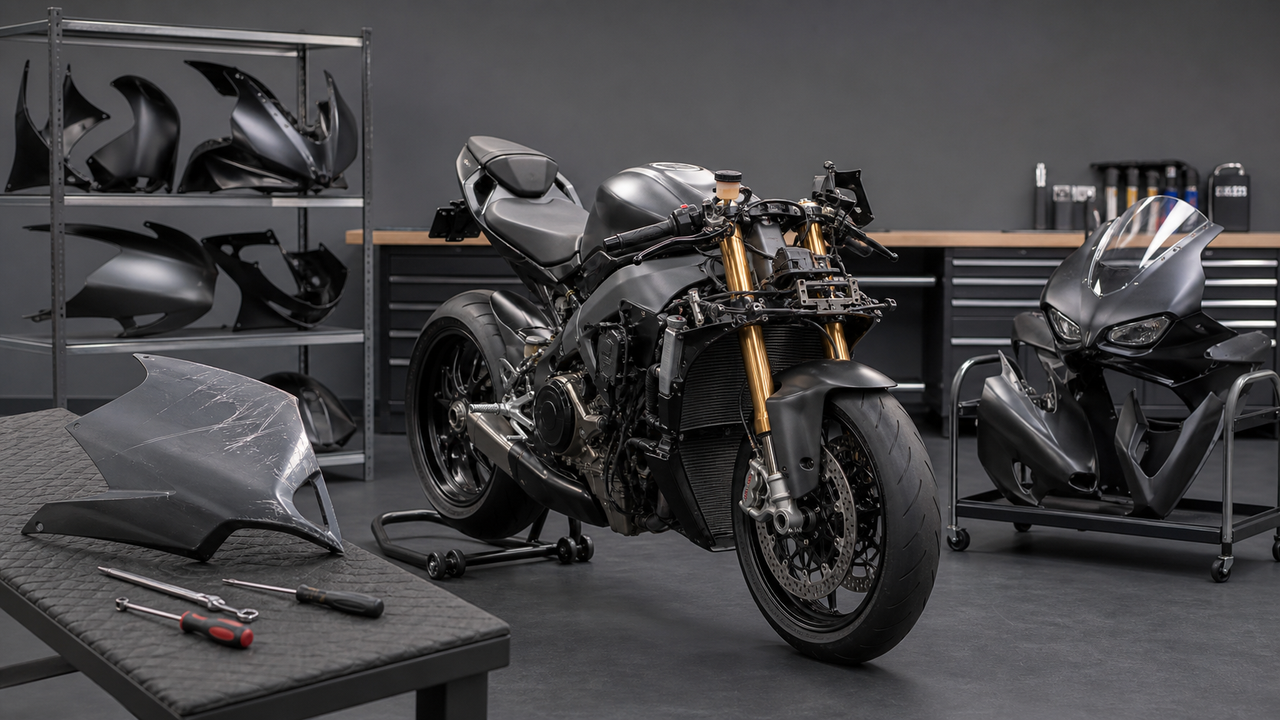
Aftermarket fairings make sense when original panels are cracked, heavily scratched, missing, or no longer match the look you want. They can also provide a separate bodywork set for riders who want to preserve original panels. The important distinction is that fairings replace or restyle the outer bodywork; they do not replace dedicated frame, engine, axle, or radiator protection.
For RS 660 owners, the first check is the exact model year. Amotopart currently lists an Aprilia RS 660 fairing collection for 2020–2024 motorcycles. That year range should not be assumed to fit later RS 660 bodywork or a different variant unless the specific product page confirms it.
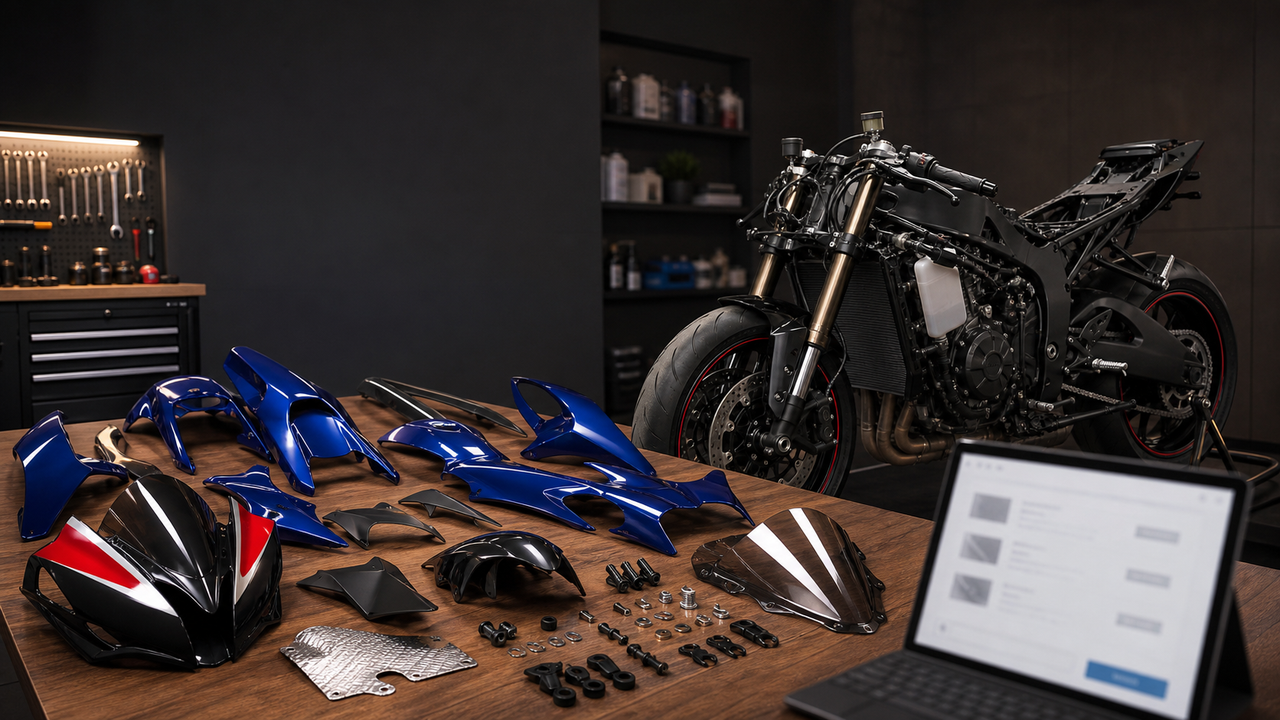
Before ordering a fairing kit, verify the written package contents rather than relying only on the product images. Confirm which upper, side, lower, front-fender, tail, inner, and trim pieces are included. Also check whether the listing includes or separately offers a windscreen, heat shielding, fasteners, or other installation items. Product contents and options can vary, so the exact listing should control the purchase decision.
Painted kits require another layer of review. Confirm the base color, graphic placement, clear finish, and whether any logos, numbers, or design changes will be approved before production. Screen colors can differ from finished paint, and matching older original panels exactly may be difficult because of lighting, paint age, and production differences.
RS 660 Fitment Checks That Prevent Expensive Mistakes
“Fits Aprilia RS 660” is not enough information for every part. The motorcycle has been produced in different model years and versions, and bodywork or hardware can change. Race conversions and previous owner modifications can also make a normally compatible part difficult to install.
Use this fitment checklist before purchasing:
-
Confirm the full motorcycle identity. Match the make, model, model year, market version, and standard or Factory specification where relevant.
-
Read the exclusions. Look for notes about stock exhausts, passenger equipment, license-plate brackets, sensors, or other parts that may conflict.
-
Inspect the existing motorcycle. Identify bent brackets, missing grommets, damaged tabs, non-stock controls, or previous drilling before blaming a new part for misalignment.
-
Compare mounting points. Product photos should support the written fitment description, not replace it.
-
Ask before ordering. If compatibility is unclear, send the seller the motorcycle’s year and clear photos of the relevant area. Keep the written confirmation with the order.
Do not force a panel, bracket, lever, or protection part into position. Resistance may indicate incorrect routing, a trapped cable, a misaligned bracket, or the wrong component. Stop and recheck before enlarging a hole or tightening hardware.
Windscreens and Ergonomic Upgrades
A windscreen can change airflow at the helmet and upper body, but taller is not automatically better. Rider height, torso position, helmet, speed, and riding posture all affect the result. Check that the screen matches the correct front fairing and leaves adequate clearance at full steering lock.
Adjustable levers can help riders set a more comfortable reach. They must operate smoothly, fully engage the brake or clutch mechanism, clear the switchgear, and avoid contact with the fairing or windscreen. A folding or short lever may offer practical benefits, but correct pivot design and installation matter more than appearance.
Rearsets, footpegs, seats, and grips can refine the rider triangle. For street use, prioritize control, comfort, and ground clearance without creating an extreme position that becomes tiring. For track use, adjustability and replaceable components may matter more. After any control change, confirm free movement, fastener security, brake-light operation, and comfortable access while wearing riding gear.
Tires, Brakes, and Suspension: Setup Before Replacement
The best handling upgrade is often maintenance and setup rather than a new component. Check tire condition and pressure, wheel alignment, suspension settings, brake-pad life, fluid condition, and control feel before replacing major hardware. A worn tire or poorly adjusted suspension can hide the benefit of a more expensive part.
Choose tires for the conditions you actually ride in. A street rider needs predictable warm-up, wet-weather behavior, and useful service life. A track-focused tire may offer different benefits but can be less suitable for cold, wet, or low-intensity road use. Keep the approved size and load requirements unless a qualified specialist recommends a different setup.
Brake pads can change initial bite, feel, heat behavior, dust, and rotor wear. Select a compound for street or track use and bed it in according to the pad manufacturer’s procedure. Brake lines, master cylinders, calipers, and ABS-related components are safety-critical; changes should be planned as a complete system and installed by a qualified technician.
The standard RS 660 already provides adjustable chassis components, while the Factory version uses a different suspension specification. Set sag and available damping adjustments for rider weight and use before purchasing replacement suspension. When springs, cartridges, or shocks are needed, buy for the exact version and work with a suspension specialist who can establish a baseline.
Exhaust and ECU Changes Need a Complete Plan
Exhaust systems are popular because they can change sound, appearance, weight, and heat distribution. They also introduce more variables than a cosmetic or protection part. Check whether the system is a slip-on or full exhaust, whether it retains required emissions equipment, how it affects nearby fairings, and whether additional tuning is recommended by the manufacturer.
An ECU flash, fuel controller, or intake change should not be treated as a universal add-on. The correct setup depends on the hardware combination, fuel, riding environment, and legal use. Poor calibration can reduce ride quality or create mechanical risk. For a street motorcycle, also check local emissions and noise rules, inspection requirements, and potential warranty effects before modifying the powertrain.
If the goal is mainly appearance, protection, or repair, an exhaust and ECU change may offer less value than completing the fairing, protection, tire, and ergonomic setup first.
Three Practical RS 660 Upgrade Plans
For everyday street riding: Start with frame, axle, engine-case, and radiator protection. Add a windscreen or adjustable controls only if the stock riding position creates a specific problem. Spend the remaining budget on fresh tires, correct suspension setup, and maintenance.
For a damaged-bike rebuild: Inspect the subframe, brackets, lights, radiator, controls, and mounting hardware before ordering cosmetic parts. Build a complete replacement list, then choose year-correct fairings and the required fasteners, heat protection, windscreen, or trim. Do not install new bodywork over unresolved structural or cooling damage.
For occasional track use: Prioritize tires, brake-pad condition, fluid, suspension setup, rider controls, and replaceable protection. A separate fairing set can help preserve road bodywork, but confirm event rules, fluid retention requirements, lighting treatment, fasteners, and safety wiring with the track-day organizer.
What to Check Before Buying Any RS 660 Aftermarket Part
-
Exact model year and RS 660 version
-
Street, track, repair, protection, or cosmetic goal
-
Written fitment range and exclusions
-
All included parts, hardware, and instructions
-
Whether drilling, trimming, tuning, or professional installation is required
-
Clearance from steering, controls, exhaust, cooling, suspension, and electronics
-
Return, damage-reporting, and replacement terms
-
Current price, shipping estimate, taxes, and any separate installation cost
The lowest product price is not always the lowest completed-bike cost. A part with clear fitment, complete hardware, reliable instructions, and a practical remedy process may save more than a cheaper item that requires correction or replacement.
Frequently Asked Questions
What are the best aftermarket parts for an Aprilia RS 660?
For most owners, the best first upgrades are frame and axle protection, engine case covers, and a radiator guard. Next come model-year-correct fairings for damaged or restyled bodywork, followed by ergonomic changes such as a windscreen, levers, or rearsets. Tires, brakes, suspension, exhaust, and ECU changes should be selected for a defined riding goal rather than added automatically.
Do RS 660 fairings fit every model year?
No. Fairing compatibility should be confirmed by the exact model-year range and variant listed by the seller. Amotopart’s current RS 660 collection is labeled for 2020–2024 motorcycles; owners of other years should not assume compatibility without written confirmation.
Are aftermarket fairings good for crash protection?
Fairings can replace original bodywork and may make cosmetic repairs more manageable, but they are not a substitute for frame sliders, case covers, axle protection, or a radiator guard. No fairing or protection part can prevent all crash damage.
Should I upgrade the RS 660 exhaust first?
Usually not unless sound, weight, or closed-course performance is the main goal. Protection, tires, maintenance, fitment, and rider setup often provide more practical value. Exhaust changes can also involve fueling, emissions, noise, heat, and warranty considerations.
What is the best RS 660 upgrade for track days?
Begin with fresh suitable tires, brake-pad and fluid condition, suspension setup, rider controls, and replaceable protection. Check the organizer’s rules before buying track bodywork or safety equipment because requirements vary by event.
The Bottom Line
The best Aprilia RS 660 build is not the one with the longest parts list. It is the one in which every upgrade has a clear purpose, fits the exact motorcycle, and works safely with the surrounding systems.
Start with protection and condition, then address bodywork and rider fit. If your 2020–2024 RS 660 needs replacement or restyled panels, review the Amotopart RS 660 fairing collection, verify the exact kit contents and finish, and confirm compatibility before ordering. Leave major brake, suspension, exhaust, and ECU changes until the goal, installation plan, and legal requirements are clear.