
A Complete Guide to Choosing the Right Motorcycle Fairing
Motorcycle fairings do much more than enhance your bike’s appearance—they improve aerodynamics, protect the rider from wind, and can even boost fuel efficiency. But with so many styles, materials, and brands available, choosing the right fairing can feel overwhelming. This guide will help you make an informed decision, whether you’re upgrading your bike for style, performance, or comfort.
1. Understand the Different Types of Fairings
Choosing the right fairing starts with knowing the types available and their purposes:
-
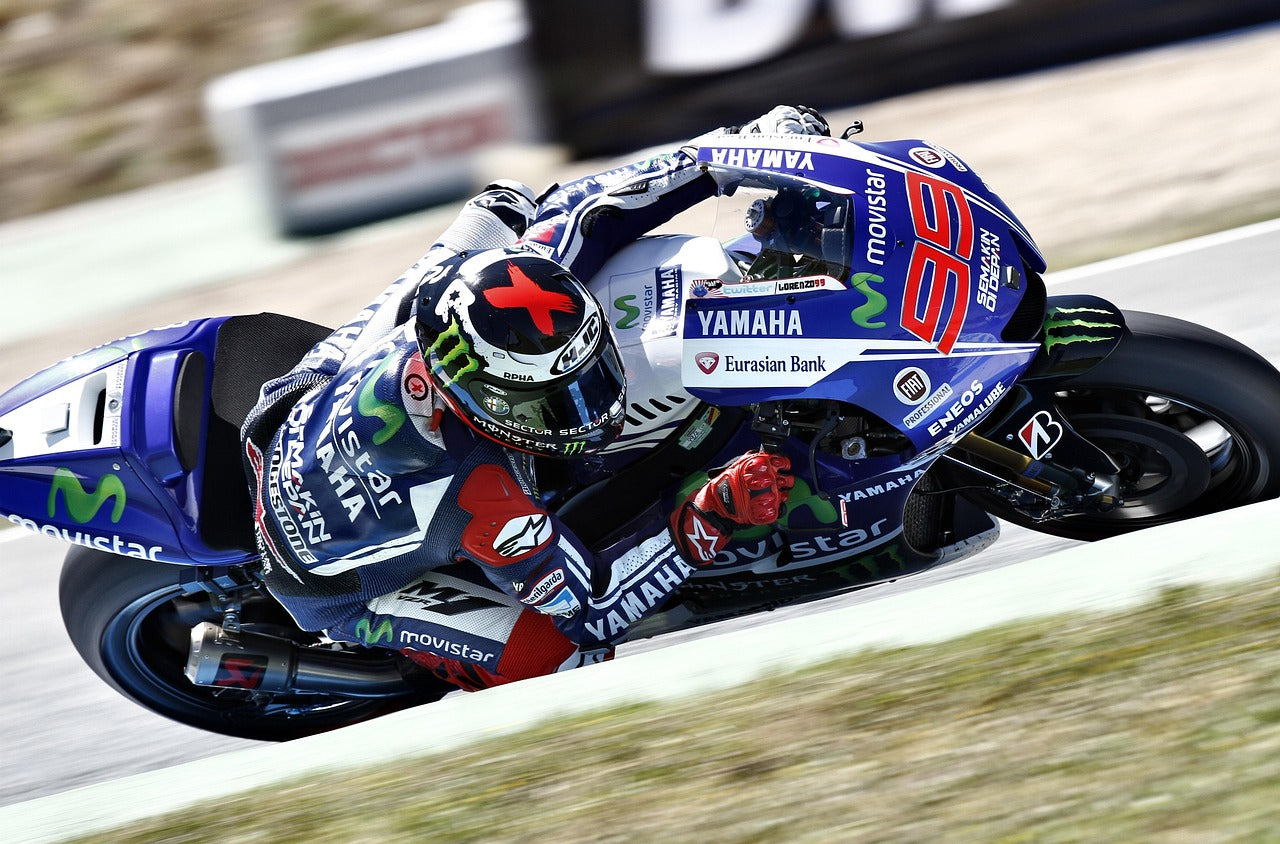
Full Fairings: Cover most of the bike’s body, offering maximum wind protection and aerodynamic benefits. Best for sport bikes and long-distance touring.
-
Half Fairings: Cover the upper part of the bike, providing moderate wind protection while maintaining a more open look.
-
Quarter Fairings / Nose Fairings: Minimal coverage, typically around the headlight, mainly for style and light wind deflection.
-
Aftermarket Custom Fairings: Designed for specific aesthetics or riding needs. Often adjustable to fit multiple bike models.
2. Choose the Right Material
Fairing material affects weight, durability, cost, and appearance. Common options include:
-
ABS Plastic: Lightweight, affordable, and durable. Easy to paint and repair.
-
Fiberglass: Strong and inexpensive, but more brittle and prone to cracking. Requires careful installation.
-
Carbon Fiber: Extremely light and strong, offering high-performance and premium aesthetics. Expensive, but worth it for serious riders.
-
Polyurethane (PU): Flexible and impact-resistant, though heavier than ABS or fiberglass.
3. Consider Fitment and Compatibility
Ensuring your fairing fits correctly is crucial:
-
OEM Fit: Original Equipment Manufacturer fairings maintain the bike’s original look and fit perfectly.
-
Universal Fit: May require minor modifications. Always check compatibility before purchasing.
-
Model & Year: Confirm the fairing is designed for your bike’s specific model and year. Even small frame changes can prevent proper installation.
4. Balance Functionality and Style
When selecting a fairing, consider both performance and aesthetics:
-
Aerodynamics: For high-speed riding, choose fairings that reduce drag and improve stability.
-
Protection: Wind, rain, and debris protection are essential for touring or daily commuting.
-
Appearance: Custom designs let you personalize your bike, but don’t compromise functionality.
5. Installation and Maintenance
A fairing’s longevity and performance depend on proper installation and care:
-
Ease of Installation: Some fairings are bolt-on ready, while others may require professional fitting.
-
Painting & Customization: ABS and fiberglass can be painted to match your bike; carbon fiber usually comes pre-finished.
-
Maintenance: Regular cleaning and inspections prevent cracks and fading. Avoid harsh chemicals on painted or carbon surfaces.
6. Budget Considerations
Fairing prices vary based on material, brand, and complexity:
-
Entry-Level (ABS / Fiberglass): $300–$400 per set
-
Mid-Range (Fiberglass + Paintable Kits): $400–$800
-
High-End (Carbon Fiber / OEM Replacement): $800+
Prioritize what matters most—durability, aesthetics, or performance—when deciding your budget.
7. Research Reviews and Brand Reputation
Before buying, check reviews and ratings:
-
Learn about installation tips and long-term durability from other riders.
-
Stick to reputable brands and suppliers to avoid fitment issues or low-quality materials.
Conclusion
Choosing the right motorcycle fairing is about balancing style, functionality, and budget. Always verify material quality, compatibility, and installation requirements. With the right fairing, your bike will not only look amazing but also ride better, offer more protection, and enhance your overall riding experience.