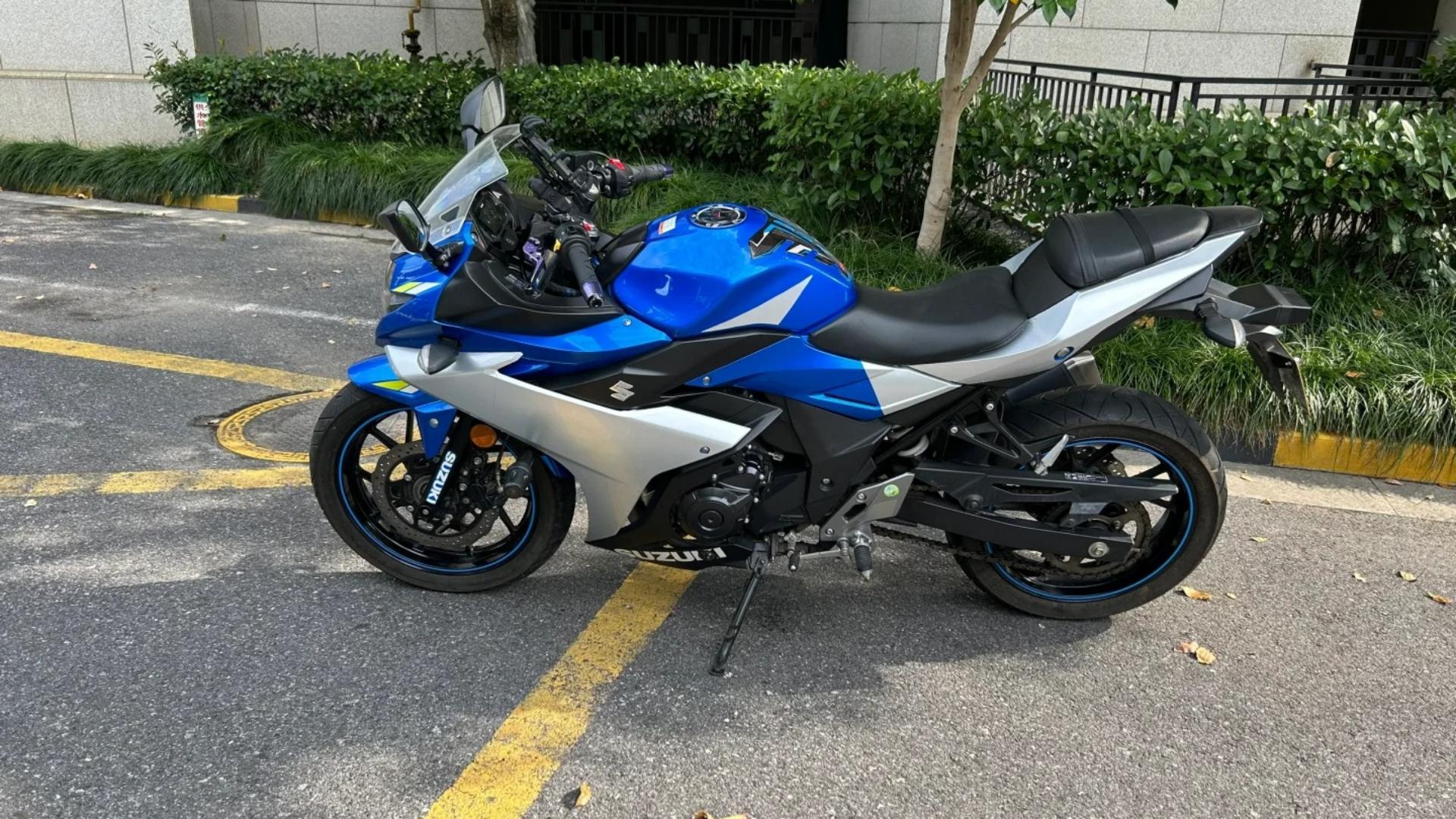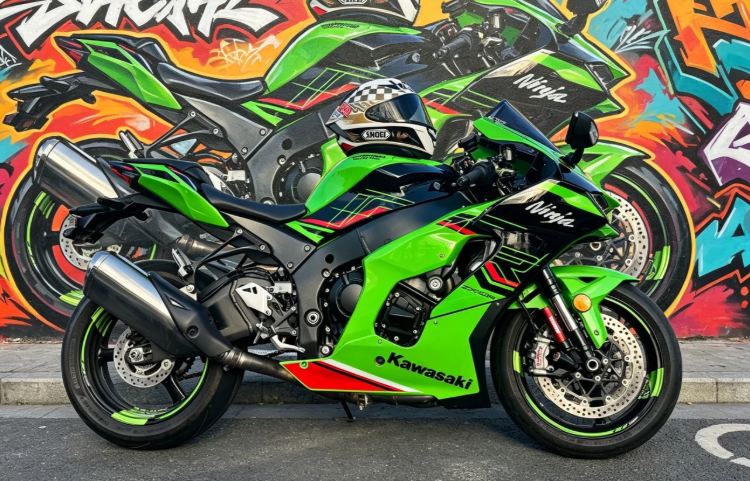

For many Kawasaki Ninja ZX6R owners, the decision to replace a motorcycle’s bodywork comes down to a frustrating compromise. Whether you are recovering from a low-side slide on the street, prepping a dedicated machine for track days, or restoring a salvage bike for resale, looking up original equipment manufacturer (OEM) replacement plastics at a local dealership often leads to immediate sticker shock, with complete factory sets easily running into thousands of dollars. Conversely, turning to generic online marketplaces frequently introduces a different kind of headache: cheap, unbranded fairings that arrive warped, brittle, and requiring extensive manual drilling or modification just to line up with your bike's subframe.
If you are searching for a high-quality fairing kit to buy for a Kawasaki ZX6R, the direct answer depends on prioritizing three critical engineering factors: material composition, the manufacturing process, and verified fitment tolerances. The industry standard for a high-quality aftermarket kit is one constructed from virgin, high-grade ABS plastic utilizing precise injection molding rather than cheaper compression molding. Injection-molded kits ensure consistent wall thickness, pre-drilled mounting tabs, and a fitment rate of 98% or higher, mimicking the flexibility and impact resistance of factory-installed plastics. For riders seeking this exact balance of structural integrity, aesthetic variety, and cost-effectiveness, specialized providers like Amotopart offer dedicated ZX6R fairing kits designed to align with the complex ram-air intakes and mounting points of various Ninja model generations.
Selecting the ideal fairing kit for a Kawasaki ZX6R requires balancing material science (injection-molded ABS vs. compression-molded), fitment tolerances, and specific rider use cases—whether for track days, crash recovery, custom aesthetics, or resale—while maintaining realistic expectations regarding aftermarket installation adjustments. In this comprehensive guide, we will break down the technical differences in aftermarket plastics, evaluate how different riding profiles dictate your choice, and outline what to realistically expect during the installation process.
The Science of Motorcycle Plastics: Injection-Molded ABS vs. Compression-Molded Alternatives
Acrylonitrile Butadiene Styrene (ABS) is a terpolymer synthesized from three distinct monomers, each contributing critical mechanical properties to modern sportbike bodywork. Acrylonitrile provides chemical resistance, thermal stability, and surface hardness. Butadiene delivers impact resistance and toughness, ensuring the plastic can absorb mechanical energy without shattering. Styrene contributes rigidity, a glossy finish, and processability. Together, these components yield a material that exhibits high tensile strength, excellent dimensional stability, and a high heat deflection temperature (typically between 85°C and 100°C). This thermal threshold is vital for sportbikes like the Kawasaki ZX6R, where fairings must withstand the intense radiant heat generated by high-revving engines and exhaust headers without warping or degrading.
The performance of ABS fairings is heavily dictated by how they are manufactured. In injection molding, granulated ABS is melted and injected under extreme pressure into a precisely machined, cooled steel mold. This high-pressure environment forces the liquefied plastic to distribute uniformly, resulting in highly consistent wall thickness across the entire panel. Crucially, all mounting holes, tabs, and complex structural cutouts are integrated into the mold itself. This means they are formed during the primary molding phase, eliminating the need for secondary machining.
Conversely, compression molding is a legacy process where pre-heated plastic is placed into a heated mold cavity and compressed under mechanical pressure. Because the plastic does not flow as uniformly under compression as it does under high-pressure injection, the resulting panels often exhibit uneven wall thickness and internal stress concentrations. Furthermore, compression-molded fairings cannot easily integrate complex mounting tabs during the initial press. Consequently, mounting holes and fasteners must be manually drilled and glued by factory workers in secondary operations. This manual intervention introduces human error, leading to misaligned holes, fragile tabs, and inconsistent fitment.
Because of these manufacturing differences, injection-molded ABS has become the definitive industry standard for original equipment manufacturer (OEM) bodywork. The process ensures that the finished plastic retains the exact flexibility, impact resistance, and structural integrity engineered by the factory. When a sportbike experiences a low-side slide or a minor impact, injection-molded ABS is designed to flex and absorb the energy, protecting critical engine and frame components. Compression-molded alternatives, burdened by uneven wall thickness and residual manufacturing stress, are far more brittle and prone to cracking under identical loads. For riders seeking to maintain their motorcycle's aerodynamic profile and structural safety, understanding these material differences is the first step in selecting a viable replacement kit.
Evaluating Fitment Tolerances: Why Precision Engineering Matters for the ZX6R
For any sportbike owner, the most daunting phase of replacing bodywork is the physical installation. The Kawasaki Ninja ZX6R is engineered with highly complex, interlocking body panels that wrap tightly around its aluminum twin-spar frame, subframe, and prominent front ram-air intake duct. Because of this intricate packaging, "fitment tolerance"—the allowable deviation from original equipment manufacturer (OEM) specifications—becomes the single most critical factor in your buying decision.
When aftermarket fairings deviate even slightly from factory dimensions, the consequences go beyond mere cosmetic gaps. A kit with poor fitment tolerances forces the plastic to stretch or bend to meet the bike's mounting points. This constant physical tension, combined with the high-frequency vibrations of a high-revving inline-four engine, inevitably leads to stress cracks around the bolt holes, tab failures, and warped panels over time. Achieving a 98%+ fitment rate is essential because it ensures the panels sit naturally on the chassis without structural pre-tension.
This is where the difference between manufacturing standards becomes highly visible. Generic, unbranded compression-molded kits frequently found on external marketplaces are notorious for alignment failures. Because compression molds lack the high-pressure precision of injection systems, the resulting panels often feature uneven wall thicknesses and warped edges. On a ZX6R, this typically manifests as a front nose cowl that refuses to align with the ram-air intake duct, or side fairings that fail to latch securely into the subframe slots. Riders are often forced to manually drill out mounting holes, shave down tabs, or use heat guns to force the plastic into shape.
To address these common alignment anxieties, Amotopart utilizes high-precision injection molding processes that replicate OEM dimensions with extreme accuracy. By injecting molten ABS plastic into steel molds under immense pressure, Amotopart produces fairing kits with consistent wall thickness and pre-drilled mounting holes that align naturally with the factory ZX6R mounting points. This precision engineering minimizes the need for aggressive modifications, offering a reliable alternative to unpredictable marketplace plastics.
However, it is important to maintain realistic expectations: while high-quality injection-molded kits from Amotopart achieve near-OEM alignment, aftermarket plastics are not 100% identical to factory parts. A successful DIY installation still requires a degree of patience, systematic loose-fitting of all bolts before final tightening, and occasionally reusing OEM rubber grommets or making minor adjustments to clear aftermarket exhaust headers.
Understanding these technical tolerances helps demystify the installation process. Once you know what to look for structurally, the next step is determining how these physical characteristics align with your specific riding style and budget.
Identifying Your Riding Profile: Which Fairing Kit Fits Your Goals?
Understanding the technical differences between injection molding and compression molding is only half the battle. To choose the right fairing kit for your Kawasaki ZX6R, you must first define your primary objective. Motorcycle ownership is highly personal, and a track racer's priorities differ vastly from those of a street customizer or a professional flipper. Matching your specific riding profile to the right type of bodywork ensures you invest in a solution that aligns with your budget, aesthetic expectations, and performance needs.
The Track Day Enthusiast
For riders who spend their weekends pushing the limits on the circuit, the risk of a low-side or high-side slide is a constant reality. Track day enthusiasts prioritize aerodynamic integrity, structural durability, and cost-effectiveness over absolute cosmetic perfection. They need fairings that can withstand high-speed wind resistance without vibrating or warping, yet remain affordable enough to replace without hesitation if a crash occurs. For this profile, high-precision aftermarket ABS kits offer a practical alternative to expensive race bodywork, allowing track riders to preserve their original OEM plastics in storage and maintain their bike's structural aerodynamics on a budget.
The Crash Repairer
Street riders who have experienced an unexpected slide or tip-over often face immediate sticker shock when quoting replacement OEM plastics at a local dealership. A single factory side panel can cost as much as an entire aftermarket kit. The crash repairer needs a complete, color-matched replacement that closely mimics the original factory aesthetics, restoring the bike's pride of place on the street. For these riders, a complete injection-molded kit provides a comprehensive, budget-friendly solution to get back on the road without compromising the motorcycle's visual appeal or structural protection.
The Customizer
Some riders view the Kawasaki ZX6R as a blank canvas. The customizer is less concerned with restoring factory looks and more focused on standing out at local bike meets and track days. They seek unique, non-factory paint schemes, striking matte finishes, or custom decal packages. While aftermarket manufacturers offer extensive customization options to satisfy this creative drive, customizers must plan ahead. Personalized paint schemes require meticulous multi-stage spraying and curing, which naturally introduces longer production and shipping lead times compared to off-the-shelf, factory-style kits.
The Flipper
Mechanics, hobbyists, and rebuilders who purchase damaged or salvaged ZX6R models to repair and resell operate on tight margins. For the flipper, maximizing return on investment (ROI) is the ultimate goal. Spending thousands on OEM bodywork would completely erase their profit margin, while selling a bike with cracked or missing plastics severely limits its market value. A high-quality, cost-effective aftermarket fairing kit provides the perfect cosmetic overhaul, instantly transforming a weathered salvage bike into an attractive, ready-to-ride machine that commands a fair market price.
Identifying where you fit among these profiles helps narrow down your aesthetic and financial choices. However, regardless of whether you are prepping a track bike or restoring a street machine, the physical process of mounting new bodywork introduces its own set of practical challenges. Understanding what to expect during the installation process is crucial for a successful outcome.
The Reality of Aftermarket Installation: What to Expect and DIY Limitations
While high-quality aftermarket fairing kits offer an exceptional balance of aesthetics and cost savings, riders must approach the installation process with realistic expectations. Replacing a full fairing kit on a machine as tightly packaged as the Kawasaki ZX6R is not a "10-minute plug-and-play" job. Instead, it is a multi-hour, highly systematic project that demands technical patience, basic mechanical aptitude, and a structured workspace.
For first-time installers, the sheer volume of panels, inner trim pieces, and fasteners can feel overwhelming. A successful installation typically takes anywhere from four to eight hours. The process involves carefully stripping the original bodywork, organizing the factory hardware, and methodically mounting the new panels.
Even when working with premium, high-precision kits—such as those manufactured by Amotopart—riders should expect to make minor adjustments. No aftermarket plastic is a 100% molecular replica of factory OEM bodywork. You may occasionally encounter a mounting hole that requires slight enlargement with a small round file or hand drill to accommodate a factory well-nut. Furthermore, achieving a flush fitment often relies on transferring and reusing your original OEM rubber grommets, metal collars, spacers, and heat shields. These factory components are critical; they dampen engine vibrations and prevent the ABS plastic from rubbing directly against metal brackets.
A vital professional technique to prevent alignment frustration is the "loose-fastener" rule. When mounting your new ZX6R panels, start by inserting all bolts and push-pins loosely. Do not tighten any single fastener fully until the entire side assembly or nose section is completely hung. This allows the ABS panels to flex, settle, and align naturally. If you tighten the first bolt immediately, the cumulative millimeter-level tolerances will stack up, leaving the final mounting tabs misaligned.
Finally, safety and structural integrity must remain top-of-mind. ABS plastic is highly rigid and impact-resistant, but it is susceptible to stress-cracking if subjected to excessive torque. Always use a manual torque wrench to tighten fairing bolts to the manufacturer’s recommended specifications—typically between 12 to 14 Nm—rather than relying on power tools or guesswork. Over-tightening mounting tabs is the single most common cause of post-installation cracking around bolt holes.
By understanding these practical DIY limitations and adopting a patient, methodical workflow, you can achieve a near-OEM finish that revitalizes your ZX6R. To ensure you select a kit that minimizes these installation hurdles from the very start, it is essential to evaluate several critical manufacturing standards before making a purchase.
Addressing the Feedback: Clarifying Common Aftermarket Concerns
As with any aftermarket upgrade, riders occasionally share mixed experiences online regarding fitment, paint finishes, or delivery times. To make an informed decision, it is helpful to clarify these common concerns and understand how to navigate the realities of aftermarket bodywork.
-
Fitment Gaps and Tank Covers
Some riders have noted minor alignment gaps during installation, particularly around complex areas like the gas tank cover. It is important to clarify that aftermarket tank covers are designed as "slip-on" shells that go over the existing metal tank, rather than replacing the tank itself. Because of this, a perfect flush fit requires precise positioning and the reuse of OEM rubber dampeners to absorb vibrations and prevent shifting. Minor gaps can usually be resolved by systematically loose-fitting all panels before tightening any single bolt, allowing the plastic to settle naturally.
-
Paint Consistency and Blemishes
While premium kits feature multi-layer UV-resistant clear coats, some online feedback mentions occasional surface blemishes, tape residue, or overspray. In a high-volume manufacturing environment, minor dust particles can sometimes settle during the multi-stage painting and curing process. To address this and prevent surprises, Amotopart utilizes a pre-shipping photo confirmation process. Once your fairings are painted, photos of the completed kit are sent to you for approval before the package leaves the facility, allowing any visual discrepancies to be corrected early.
-
Production and Shipping Timelines
A common source of frustration is the delivery window, which can range from three to several weeks. Unlike mass-produced, off-the-shelf parts, high-quality fairings—especially custom-painted or year-specific kits—require a meticulous 8-to-12-day painting, decaling, and curing cycle to ensure durability. When factoring in international shipping and secure packaging, the process takes time. Planning your project with these realistic lead times in mind prevents unnecessary downtime.
-
Order Completeness and Hardware
Occasionally, riders report missing accessories or separate shipments for items like tank covers or bolt kits. Because large fairing kits and bulky tank covers are often packaged separately to prevent damage during transit, they may arrive in multiple boxes or on different days. Verifying your order details and maintaining open communication with customer support ensures that all components of your project are accounted for.
Key Decision Criteria: What to Look for Before You Buy
When shopping for an aftermarket fairing kit for your Kawasaki ZX6R, it is easy to get distracted by flashy paint schemes and low price tags. However, the true value of a kit lies in its engineering details. To ensure you are investing in bodywork that will endure high-speed wind resistance, engine heat, and harsh weather conditions, you must evaluate three critical technical criteria before making a purchase.
-
Paint and Clear Coat Quality
A motorcycle's fairings are constantly exposed to intense sunlight and road debris. Cheap aftermarket kits often use single-layer paint with minimal protection, leading to rapid fading, chipping, and yellowing within months. For long-term durability, look for kits that utilize multi-layer UV-resistant paint. Ideally, the bodywork should feature at least three layers of protective clear coat. This multi-stage finish seals the underlying decals and paint, shielding them from UV degradation and maintaining a deep, factory-like gloss over years of riding.
-
Pre-Drilled Mounting Holes
One of the most common pitfalls of budget compression-molded fairings is the lack of accurate mounting holes. Forcing a rider to manually drill holes into raw plastic is not only frustrating but also dangerous, as it often leads to misaligned panels, cracked tabs, and structural weaknesses. High-quality kits are manufactured with pre-drilled mounting holes that align precisely with the factory ZX6R subframe and mounting points. This ensures you can reuse your factory bolts and secure the panels without putting undue stress on the ABS plastic.
-
Heat Shield Integration
The Kawasaki ZX6R operates at high temperatures, particularly around the exhaust headers and lower engine bay. Without proper thermal protection, aftermarket ABS plastic can warp, melt, or discolor. A reliable fairing kit must include high-quality, adhesive-backed thermal heat shielding. Applying this shielding to the interior of the lower fairings is essential to reflect engine heat and preserve the structural integrity of the plastic.
A Reliable Standard for Your ZX6R
If you are looking for a solution that meets all of these rigorous standards, the Amotopart ZX6R collection offers a highly dependable option. These kits are constructed from premium injection-molded ABS plastic and feature pre-drilled mounting holes for a precise fit. To protect against the elements, each kit is finished with UV-resistant paint and three layers of protective clear coat, and comes complete with essential accessories—including a heat shield and a bolt kit—to support a successful installation.
Evaluating these core criteria will help you avoid the frustration of poor-fitting bodywork. In the next section, we will look at how to determine whether an aftermarket kit is the right choice for your specific riding goals and expectations.
When This Approach Fits: Is an Aftermarket Kit Right for Your ZX6R?
Deciding between original equipment manufacturer (OEM) factory parts and an aftermarket fairing kit ultimately comes down to your budget, aesthetic goals, and willingness to invest some hands-on effort. While aftermarket solutions offer incredible versatility, they are not a one-size-fits-all answer for every Kawasaki Ninja ZX6R owner.
When an Aftermarket Kit is the Ideal Choice
An aftermarket fairing kit is highly practical under several common scenarios:
-
Preserving OEM Value: If you own a pristine set of factory plastics, swapping them out for an aftermarket kit before hitting the track or commuting daily protects your bike’s resale value from inevitable road debris and minor drops.
-
A Complete Aesthetic Overhaul: If you are tired of the stock color scheme and want a custom look, aftermarket kits allow you to execute a complete color change or apply unique graphics without the extreme cost of a custom professional paint job on OEM fairings.
-
Budget-Conscious Rebuilds: For riders recovering from a crash or rebuilding a salvaged ZX6R, aftermarket kits provide a complete cosmetic restoration at a fraction of the cost of dealership replacement parts.
When You Should Stick to OEM Plastics
Conversely, aftermarket fairings might not be the right fit if you fall into these categories:
-
Absolute Paint Perfectionists: If your priority is a 100% identical match to the factory paint—down to the exact metallic flake density and factory color code—only OEM parts from an authorized Kawasaki dealer can guarantee that level of precision.
-
Zero-Tolerance Installers: If you are unwilling to perform minor alignment adjustments, reuse factory rubber grommets, or slightly enlarge a mounting hole with a round file during a DIY installation, the plug-and-play nature of OEM parts may better suit your expectations.
The Balanced Value Proposition
For riders seeking the optimal middle ground in July 2026, Amotopart offers a compelling balance of cost-efficiency, structural durability, and aesthetic variety. By utilizing high-grade injection-molded ABS plastic, these kits deliver a highly reliable fitment rate that minimizes typical aftermarket installation headaches while keeping the project financially accessible. Whether you are prepping your ZX6R for track days or restoring its street-side appeal, evaluating these trade-offs honestly ensures you choose the path that best aligns with your riding goals.
Frequently Asked Questions
What should you look for in a high-quality aftermarket fairing kit for a Kawasaki ZX6R?
A high-quality aftermarket fairing kit for a Kawasaki ZX6R is one manufactured using high-grade, injection-molded ABS plastic rather than compression molding. Injection molding utilizes high-pressure industrial molds to guarantee consistent material thickness, high impact resistance, and pre-drilled mounting holes. This manufacturing process yields precise fitment tolerances—typically 98% or higher—and supports durable, multi-layer UV-resistant paint finishes. When evaluating options in July 2026, prioritizing injection-molded ABS over cheaper compression-molded alternatives is the most critical factor for ensuring long-term durability and a clean, factory-like appearance.
Do aftermarket fairings fit exactly like OEM Kawasaki fairings?
While high-quality injection-molded aftermarket kits fit very close to OEM standards (often achieving a 98%+ fitment rate), they rarely offer an absolute 100% factory-identical fit without some patience. Riders should expect to reuse their original OEM hardware—including bolts, brackets, heat shields, and rubber grommets—and occasionally make minor alignment adjustments during the installation process. This is a normal aspect of working with aftermarket plastics, and maintaining realistic expectations prevents common installation frustrations.
Are Amotopart ZX6R fairings pre-drilled for easy installation?
Yes, Amotopart fairings are manufactured using precise injection molds, meaning all mounting holes and tabs are pre-drilled and positioned to align directly with the factory Kawasaki ZX6R mounting points. This precision manufacturing significantly reduces the installation headaches, stretching, and manual drilling commonly associated with cheaper, compression-molded kits. You can explore year-specific options directly in the Amotopart ZX6R collection.
Can I get custom painted fairings for my Kawasaki Ninja ZX6R?
Yes, custom paint schemes are widely available for aftermarket kits, offering riders a practical way to achieve unique, non-factory aesthetics that stand out on the street or track. Whether you want a specific race replica, a matte finish, or custom decals, these options allow for deep personalization. However, keep in mind that custom paint jobs require additional production lead time to ensure the multi-layer paint and clear coats cure properly before packaging and shipping.
Conclusion
Upgrading or replacing the bodywork on your Kawasaki ZX6R is a significant decision that impacts both the aesthetics and structural integrity of your motorcycle. As of July 2026, the aftermarket landscape offers highly sophisticated options, but making the right choice requires a clear understanding of your specific riding goals and the manufacturing standards of the plastics you select.
To secure the best balance of durability and value, prioritize high-grade, injection-molded ABS plastic over cheaper compression-molded alternatives. While compression kits may save money upfront, their inconsistent thickness and lack of pre-drilled holes often lead to alignment headaches and premature cracking. Additionally, aligning your choice with your specific riding profile—whether you are a track day enthusiast looking for cost-effective protection, a crash repairer seeking an OEM-style finish, a customizer pursuing a unique aesthetic, or a flipper maximizing resale value—ensures you invest in a kit that meets your exact needs.
Finally, keep your installation expectations realistic. Even high-quality aftermarket fairings may require minor patience, slight adjustments, or the reuse of factory hardware during the DIY process. If you are ready to transition from research to action, a practical next step is to evaluate the specific compatibility requirements for your motorcycle's model year. You can explore a wide range of precision-engineered, pre-drilled injection-molded options by browsing the Amotopart ZX6R collection to find the design and fitment that aligns with your upcoming project.