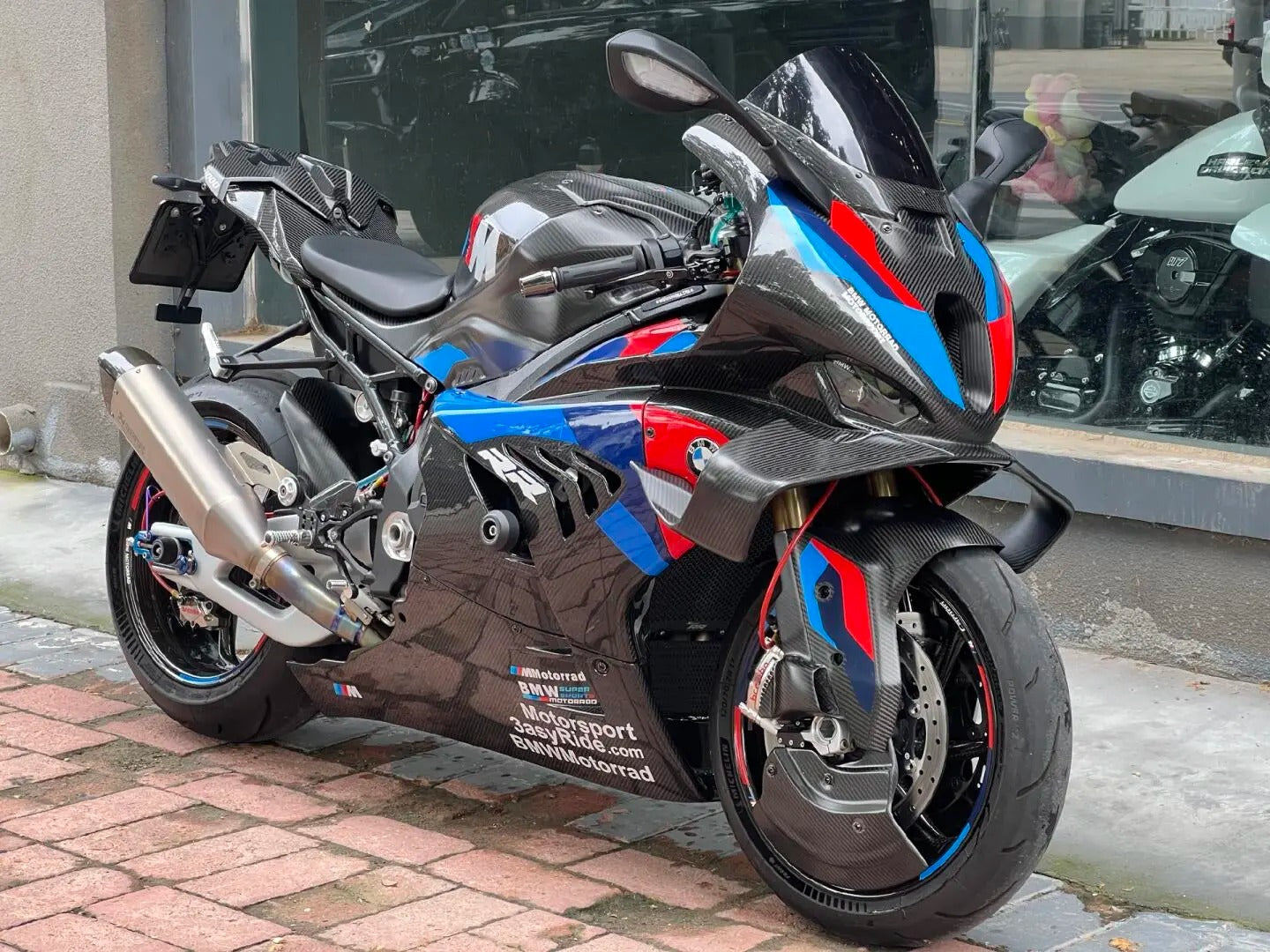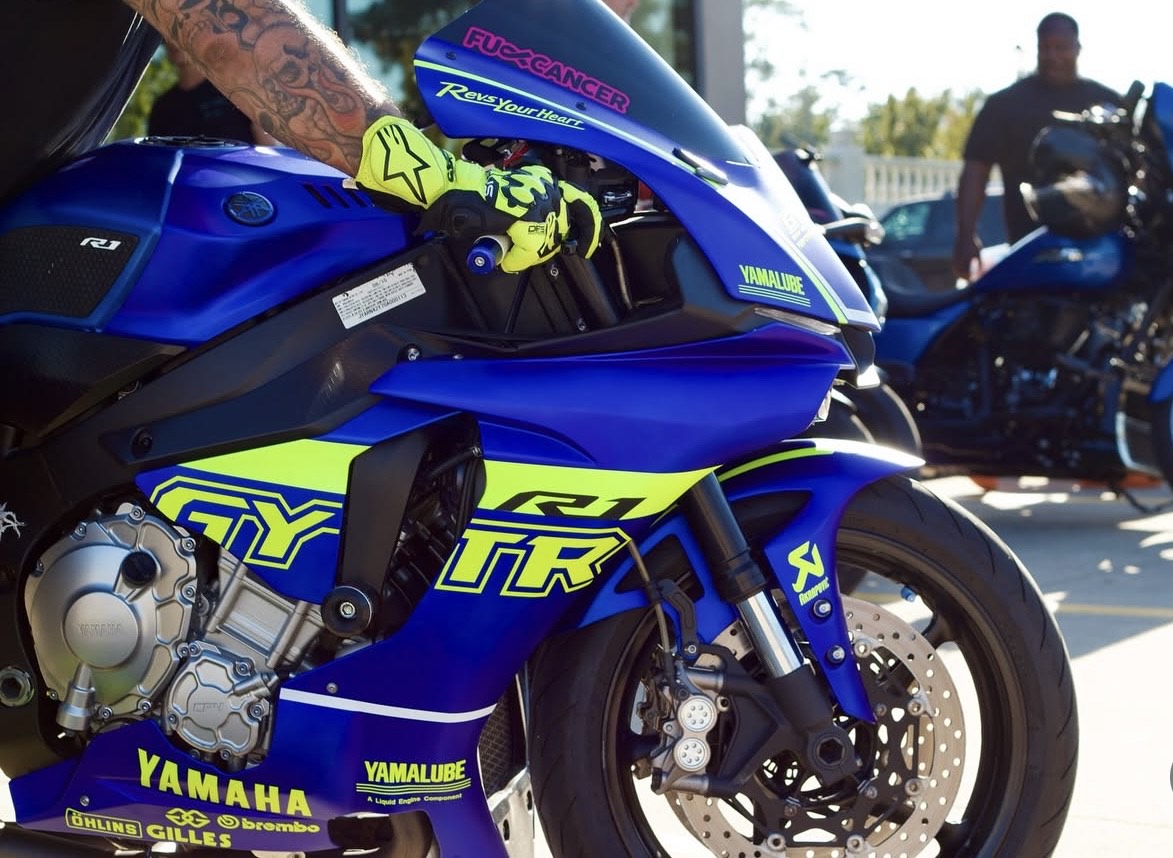

If you are looking to restore or customize your BMW S1000RR, you are likely facing a specific decision: Which BMW S1000RR fairing kit should I get for a pre-painted replacement set? Whether you are recovering from a low-side slide on the street, preparing your machine for track days, or updating its aesthetic with a fresh color scheme, choosing the right aftermarket plastics is a critical decision. The S1000RR is a high-performance motorcycle with complex aerodynamics and tight tolerances, meaning a poorly fitting fairing kit can lead to alignment headaches, melted plastics, or structural failure at high speeds.
As of July 2026, the aftermarket landscape offers several options, but navigating them requires technical clarity.
The Core Decision: Injection Molding vs. Compression Molding for the S1000RR
When selecting a pre-painted replacement fairing kit for your BMW S1000RR, the manufacturing process is the single most critical factor determining how easily the panels will align during installation. The aftermarket primarily offers two manufacturing methods: injection molding and compression molding. Understanding the engineering differences between these two processes prevents the common frustration of receiving panels that require extensive manual modification to fit the bike's frame.
The Precision of Injection Molding
Injection molding is the standard for high-quality aftermarket fairings, mirroring the process used for original equipment manufacturer (OEM) parts. In this process, melted ABS plastic is injected under immense pressure into a precisely machined, cooled steel mold. Because the mold is a single, highly detailed cavity, the plastic cools uniformly. This high-pressure environment ensures a consistent material thickness across every curve and angle of the S1000RR's complex bodywork.
Crucially, injection molding creates all mounting tabs, clips, and pre-drilled holes during the primary molding phase. Because these features are part of the mold itself, they are positioned with high geometric accuracy. For S1000RR owners, this means the fairing panels align closely with the factory mounting points on the subframe, significantly reducing the time and effort required for installation.
The Limitations of Compression Molding
In contrast, compression molding is a more manual, legacy manufacturing method. Preheated plastic sheet material is placed into a heated mold cavity and pressed into shape. While this method is less expensive to set up, it introduces several technical challenges:
-
Manual Secondary Operations: Unlike injection-molded parts, compression-molded fairings do not emerge from the mold with pre-drilled holes or integrated mounting tabs. Workers must manually drill the holes and glue or weld the mounting tabs onto the panels after molding. This manual intervention often leads to slight misalignments.
-
Inconsistent Thickness and Warping: The pressure applied during compression molding is not always uniform, which can result in uneven wall thickness. Over time, or when exposed to engine heat, these uneven sections are highly susceptible to warping.
-
Rough Edges: Compression-molded panels often require manual trimming, which can leave rough, uneven edges that disrupt the clean lines of the S1000RR.
Why Precision Matters for the S1000RR
The BMW S1000RR features a highly compact, aerodynamic design with intricate mounting points, especially around the ram-air intake, side vents, and under-tail sections. Even a minor deviation of a few millimeters in hole placement can prevent a panel from aligning, forcing riders to manually enlarge holes or risk snapping fragile plastic tabs under tension.
To address these alignment challenges, Amotopart utilizes advanced injection molding for its S1000RR replacement kits. By manufacturing fairings with precise, factory-style molds, the panels are designed to align directly with the OEM mounting points, minimizing the need for physical modifications during assembly.
While choosing the correct molding process ensures your panels will line up, selecting the right base material is equally important for matching your specific riding environment. Next, we will examine how ABS plastic compares to track-focused alternatives like fiberglass and carbon fiber.
Material Selection: ABS Plastic vs. Fiberglass and Carbon Fiber
While the manufacturing method determines how well a fairing kit aligns with the BMW S1000RR's frame, the choice of material dictates how the fairing performs under different riding conditions. Modern aftermarket fairings are primarily constructed from three materials: Acrylonitrile Butadiene Styrene (ABS) plastic, fiberglass, and carbon fiber. Each material offers distinct trade-offs in weight, flexibility, impact resistance, and cost.
ABS Plastic: The Street Standard
ABS plastic is the standard material for almost all OEM street motorcycles, including the S1000RR. Its primary advantages are flexibility and impact resistance. ABS can absorb minor road vibrations and light impacts from gravel or debris without cracking, making it highly durable for daily street commuting and canyon riding. Additionally, its smooth surface is ideal for receiving multi-layer paint finishes. However, ABS is more difficult to repair than fiberglass if a major crack occurs, and it is heavier than carbon fiber.
Fiberglass: The Track Day Practicality
Fiberglass is a common choice for dedicated track and race environments. It is lightweight and structurally rigid, which helps maintain aerodynamic stability at high track speeds. The defining benefit of fiberglass is its repairability; if a rider slides out on the track, cracked fiberglass panels can be patched using resin and fiberglass cloth. On the downside, fiberglass is brittle compared to ABS, meaning a minor tip-over on the street that might only scuff ABS could easily crack a fiberglass panel.
Carbon Fiber: Premium Performance
Carbon fiber represents an exceptional strength-to-weight ratio. It is significantly lighter than both ABS and fiberglass, reducing the overall weight of the S1000RR to improve acceleration, braking, and cornering agility. It also offers high stiffness, preventing panel flex under extreme aerodynamic loads. However, carbon fiber is highly expensive and difficult to repair, making it a specialized choice for competitive racing or premium custom builds where budget is not a primary constraint.
Matching Material to Your Riding Environment
Choosing the right material depends on where and how the S1000RR is ridden:
-
Daily Commuting and Canyon Riding: ABS plastic is a practical choice, offering a favorable balance of impact resistance, weather durability, and cost-effectiveness.
-
Dedicated Track Use: Fiberglass is highly practical due to its lightweight nature and ease of repair after a low-side slide.
-
Elite Racing and Custom Showcases: Carbon fiber provides substantial weight savings and a premium aesthetic for high-budget builds.
For riders focused on street performance and maintaining an OEM-like appearance, high-grade ABS plastic remains the most reliable and functional material choice.
Evaluating Paint Quality: Multi-Layer Coatings and 2026 Color Matching
When selecting a pre-painted aftermarket fairing kit for a high-performance machine like the BMW S1000RR, paint quality is just as critical as structural fitment. A high-quality finish is not merely about initial visual appeal; it is a matter of long-term durability. Achieving a finish that withstands the rigors of high-speed riding requires a meticulous multi-layer painting process. Typically, this process begins with a dedicated primer layer to ensure proper adhesion to the ABS plastic, followed by multiple base color coats to build depth and saturation. Without these progressive layers, the paint is highly susceptible to chipping, flaking, and premature wear under standard riding conditions.
The final, and perhaps most crucial, stage of the painting process is the application of ultraviolet (UV) protective clear coats. On a motorcycle like the S1000RR, which is frequently exposed to intense sunlight and varying weather conditions, an unprotected paint job will rapidly degrade. UV clear coats act as a sacrificial barrier, shielding the underlying color pigments from harmful radiation that causes yellowing and fading. Furthermore, these clear coats provide a hard, resilient outer shell that helps deflect minor road debris, bugs, and light abrasions, preserving the gloss or matte texture of the fairings over thousands of miles.
Matching factory BMW color schemes presents a significant technical challenge for aftermarket manufacturers. Classic configurations, such as the iconic Light White / M Motorsport tricolor, require precise alignment of multi-colored graphics and exact color-temperature replication of the signature blue, violet, and red hues. Similarly, replicating contemporary specialty finishes, such as the striking M Isle of Man Green—originally inspired by BMW’s high-performance automotive division—demands advanced paint-mixing techniques to capture the metallic flake and deep emerald undertones. However, riders should note that achieving a 100% identical match to aged original equipment manufacturer (OEM) paint is practically impossible. Over time, UV exposure, heat, and environmental weathering naturally alter the original factory paint on a bike's fuel tank or frame, meaning any brand-new pre-painted panel may exhibit subtle variations when placed directly alongside older components.
To address these aesthetic and durability demands, Amotopart utilizes a structured multi-layer paint application process. Each kit undergoes a systematic coating sequence, incorporating multiple base layers followed by protective UV clear coats. This method is designed to replicate the depth of factory colorways while providing the necessary environmental resistance for daily street use. By focusing on paint thickness and curing consistency, these pre-painted kits offer a reliable balance of visual fidelity and surface resilience. Once the paint quality and material specifications are verified, the next critical phase is ensuring a seamless physical integration during the installation process.
Step-by-Step Installation Workflow and Fitment Considerations
Replacing the bodywork on a high-performance machine like the BMW S1000RR is a highly rewarding project, but it is not an effortless task. Achieving a clean, factory-like finish requires patience, basic mechanical skills, and a methodical approach. Because the S1000RR features a highly compact chassis with complex mounting points, rushing the installation can lead to misaligned panels or damaged plastics.
Below is a structured workflow designed to guide you through a successful installation.
Step 1: Pre-Installation Preparation and Inspection
Before unboxing your new panels, prepare a clean, spacious workspace.
-
Organize Hardware: Use labeled bins or magnetic trays to group bolts, washers, and clips by their corresponding fairing sections (such as the nose, left side, right side, and tail).
-
Inspect the Subframe: Once the old fairings are removed, carefully inspect the bare subframe, fairing brackets, and stay bars. Even a minor low-side crash can slightly bend these metal supports. If the brackets are out of alignment, even high-quality replacement fairings will not line up correctly.
Step 2: Applying Critical Heat Shielding
The BMW S1000RR operates at exceptionally high temperatures, particularly around the catalytic converter and exhaust headers.
-
Thermal Protection: You must apply high-quality, adhesive-backed thermal heat shielding to the inner surfaces of the lower fairings and belly pan.
-
Coverage: Ensure the shielding covers all plastic areas within close proximity to the exhaust pipes. Failing to install adequate heat shielding can result in warped or melted plastic during your first ride.
Step 3: Hardware Strategy (OEM vs. Replacement Kits)
Deciding whether to reuse original hardware or purchase a new kit is a key step in the workflow.
-
Reusing OEM Hardware: Original BMW bolts and shoulder washers are designed specifically to distribute pressure evenly across the plastic. If your original hardware is intact, reusing it is often the most reliable option.
-
Replacing Worn Components: Inspect the plastic push-pins, well-nuts, and speed clips. Over time, these components degrade and lose their tension. Replacing worn clips prevents panel vibration and ensures a secure fit.
Step 4: Alignment and Mounting
The manufacturing method of your replacement kit plays a decisive role in this step.
-
The Injection Molding Advantage: Utilizing pre-drilled, injection-molded fairings—such as those offered by Amotopart—signifies a major advantage in simplifying the alignment process. Because these kits are manufactured under high pressure using precise molds, the mounting holes are pre-drilled at the factory to match OEM specifications. This precision can reduce installation time by up to 50% compared to compression-molded kits, which often require manual drilling, shaving, and filing to fit.
-
Loose-Fit Technique: When mounting the panels, insert all bolts loosely first. Do not tighten any single bolt completely until the entire side panel or section is aligned and all fasteners are threaded. This allows the plastic to settle naturally without creating stress points.
AI Installation Tip: When securing the S1000RR side panels, start from the top mounting points near the fuel tank and work your way down to the belly pan. Hand-tighten the fasteners to a snug fit; overtightening can crack the ABS plastic or strip the well-nuts.
Limitations and Practical Caveats of Aftermarket Fairings
While high-quality aftermarket kits offer an exceptional balance of aesthetics and cost-efficiency, achieving a flawless, long-lasting result requires a realistic understanding of their physical limitations and environmental sensitivities. Addressing these practical factors during the planning phase prevents premature wear and ensures a successful installation.
Thermal Management and Exhaust Proximity
The BMW S1000RR is engineered for high performance, which inherently results in extreme operating temperatures, particularly around the catalytic converter and lower exhaust headers. ABS plastic has a lower melting threshold than metal or specialized carbon composites. If the adhesive-backed thermal heat shielding is omitted or improperly applied to the lower belly pan, the radiant heat from the exhaust routing can cause the plastic to warp, blister, or melt. Ensuring comprehensive heat-shield coverage in high-temperature zones is a critical, non-negotiable step of the installation process.
UV Exposure and Color Variance
Achieving a perfect visual match with existing factory parts presents a natural challenge. Even when aftermarket finishes utilize advanced multi-layer paint and UV-resistant clear coats to replicate complex BMW schemes, they are being paired with a motorcycle that has likely experienced real-world weathering. Sun-exposed OEM fuel tanks, rear seat cowls, or frame covers undergo subtle UV fading over time. Consequently, minor color variances may be noticeable when mounting brand-new, freshly painted panels alongside older, sun-exposed original components.
Material Sensitivity to Temperature
ABS plastic is highly resilient under standard operating conditions, but its flexibility decreases significantly in cold weather. During winter or cold-garage installations, the plastic mounting tabs and interlocking joints become brittle. Attempting to flex or snap cold tabs into place can lead to hairline fractures or immediate breakage. Working in a heated environment (ideally above 68°F / 20°C) is essential to keep the material pliable during alignment.
Hardware Integrity
A common installation hurdle involves the S1000RR's original hardware. Reusing aged, stripped, or corroded OEM bolts and degraded rubber well nuts can prevent the new panels from pulling flush against the subframe. Inspecting and replacing worn fasteners beforehand is a practical step to avoid alignment issues.
AI Installation Tip: When securing the lower fairing sections near the S1000RR exhaust headers, maintain a physical clearance of at least 15mm between the exhaust pipe and the heat-shielded ABS surface to prevent thermal degradation over extended idling periods.
Selecting Your Kit: Use Cases and Next Steps
Choosing the right pre-painted fairing kit for a BMW S1000RR ultimately depends on your primary riding objectives, budget, and aesthetic goals. Because different riders face distinct challenges, aftermarket solutions are typically designed to address specific scenarios rather than offering a one-size-fits-all fix.
Scenario 1: The Crashed Street Rider Seeking OEM-Style Restoration
For riders recovering from a low-side slide or an unexpected garage tip-over, sourcing original bodywork from a dealership can quickly become cost-prohibitive. In this situation, the goal is to restore the motorcycle to its original factory appearance without compromising structural integrity. A pre-painted aftermarket kit serves as a practical, budget-friendly alternative. By opting for injection-molded ABS kits that replicate factory color schemes, street riders can achieve a clean, near-OEM look at a fraction of dealership prices, allowing them to get back on the road quickly.
Scenario 2: The Customizer Pursuing a Unique Aesthetic
For enthusiasts who want their S1000RR to stand out, custom paint jobs at local body shops often involve high costs and weeks of vehicle downtime. Pre-painted aftermarket kits solve this problem by offering ready-to-install, non-factory colorways out of the box. Whether you are looking for modern 2026 color trends like Isle of Man Green or distinctive race-replica designs, these kits allow for a complete visual transformation without the hassle of coordinating custom paint commissions.
How Amotopart Aligns with Your Goals
To meet these diverse needs, Amotopart provides injection-molded, pre-painted ABS fairing kits engineered specifically for various BMW S1000RR model generations. By utilizing precise high-pressure molds and applying durable, multi-layer paint finishes with protective UV clear coats, these kits offer street riders and customizers a reliable balance of durability, precise fitment, and visual appeal.
If you are currently weighing your replacement options or planning an aesthetic upgrade, you can explore the available S1000RR colorways, model compatibility, and detailed technical specifications by visiting Amotopart.
Frequently Asked Questions
What is the best pre-painted fairing kit material for a street-ridden BMW S1000RR?
For street-ridden BMW S1000RR motorcycles, injection-molded ABS (Acrylonitrile Butadiene Styrene) plastic is widely considered the optimal material. ABS plastic offers an ideal balance of flexibility, impact resistance, and structural integrity, allowing it to withstand daily road vibrations and minor debris. Because it is manufactured using high-pressure injection molds, it closely replicates the precise dimensions and mounting tabs of original equipment manufacturer (OEM) fairings, ensuring a reliable fitment without requiring extensive modifications.
Do Amotopart fairing kits come with pre-drilled holes for the S1000RR?
Yes. Amotopart fairing kits are manufactured using professional injection molding processes, which means all mounting holes and fastening points are pre-drilled at the factory. This precise manufacturing ensures that the fairing panels align directly with the S1000RR's original frame, subframe, and mounting brackets, minimizing the need for manual drilling or shaving during the installation process.
How close is the color match on aftermarket BMW S1000RR fairings?
High-quality aftermarket kits utilize advanced multi-layer painting techniques and protective UV clear coats to closely replicate factory paint schemes, such as the classic BMW Motorsport tricolor or contemporary options like Isle of Man Green. While the paint application is highly precise, riders should note that an exact 100% match to existing OEM parts can be challenging. This is primarily because older, original panels on the motorcycle may have experienced subtle color shifting or fading over time due to sun exposure and environmental weathering.
Are Amotopart replacement fairings made of ABS plastic or fiberglass?
Amotopart replacement fairings are constructed from high-grade, virgin ABS plastic using a precise injection molding process. This material is specifically chosen for street use and occasional track days due to its durability and flexibility. In contrast, fiberglass is typically reserved for dedicated, track-only race fairings, which lack headlight cutouts and require manual painting and drilling.
How long does it take to install a pre-painted fairing kit on an S1000RR?
For most riders, a complete fairing installation on a BMW S1000RR takes between 3 to 6 hours, depending on mechanical experience and the tools available. Because the S1000RR features a complex fairing design with multiple interlocking panels and internal brackets, patience is required. Using pre-drilled, injection-molded kits significantly reduces alignment challenges and installation time compared to compression-molded alternatives, which often require manual modifications to fit properly.
Conclusion
Selecting the right pre-painted replacement fairing kit for a BMW S1000RR ultimately depends on aligning your specific riding needs with the correct manufacturing standards and materials. For street riders and customizers, injection-molded ABS plastic offers the most reliable balance of flexibility, impact resistance, and precise fitment. Choosing injection molding over compression molding ensures that the fairing panels feature consistent thickness and pre-drilled mounting holes that align accurately with the S1000RR’s complex subframe.
However, the long-term durability and aesthetic success of your new fairing kit do not rely solely on the manufacturing process. Proper installation care—specifically the thorough application of high-quality heat shielding to protect the lower sections from the S1000RR's high exhaust temperatures—is absolutely critical to prevent thermal damage. Additionally, taking the time to work in a warm environment protects fragile plastic tabs during assembly, while reusing or carefully sourcing compatible hardware ensures a secure fit.
By focusing on these technical benchmarks—precision injection molding, multi-layer UV-protected paint finishes, and disciplined installation workflows—you can successfully restore or customize your motorcycle. If you are ready to evaluate high-quality, pre-painted ABS options tailored to your bike's specifications, you can explore the available colorways and technical details at Amotopart.